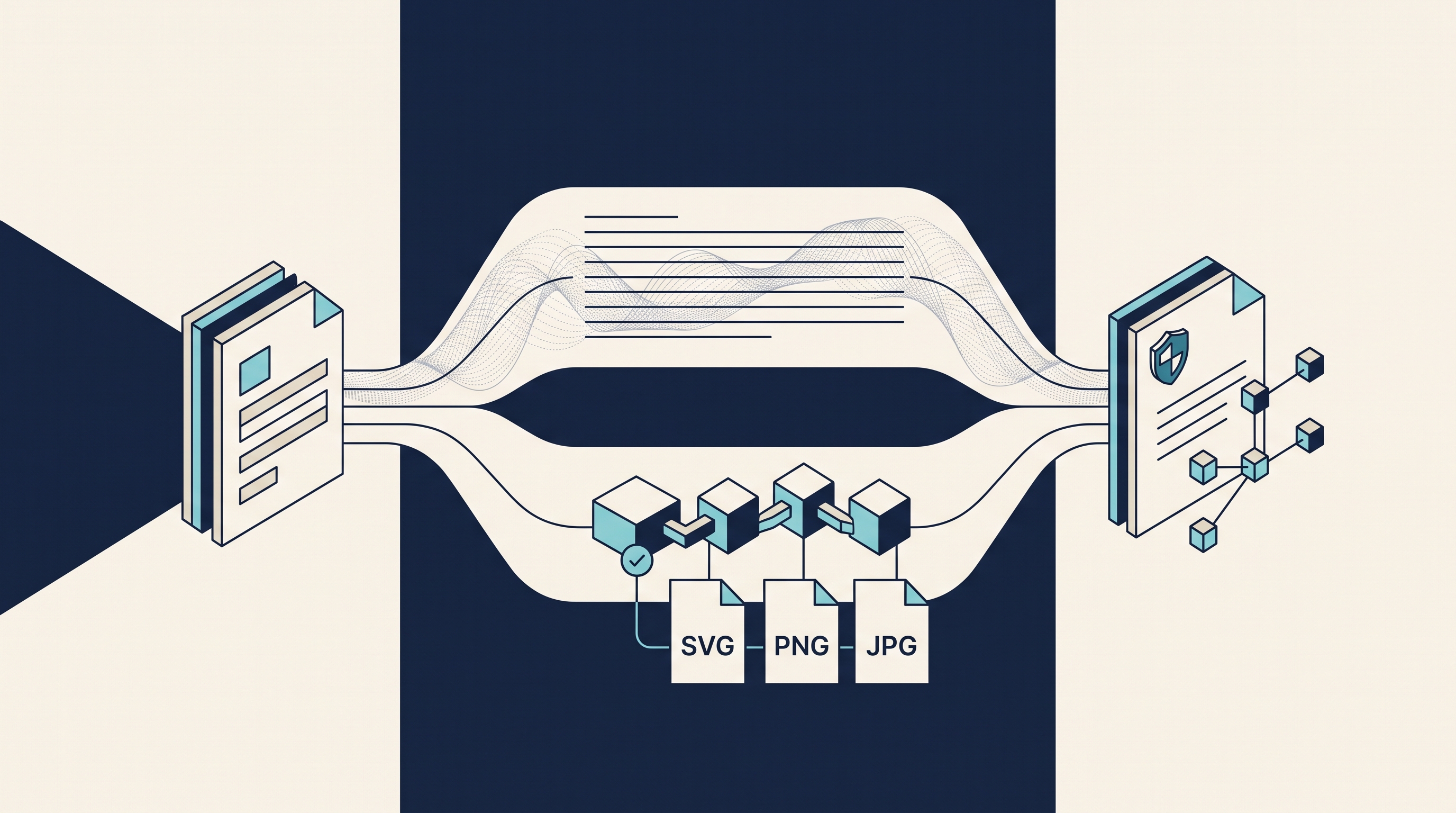
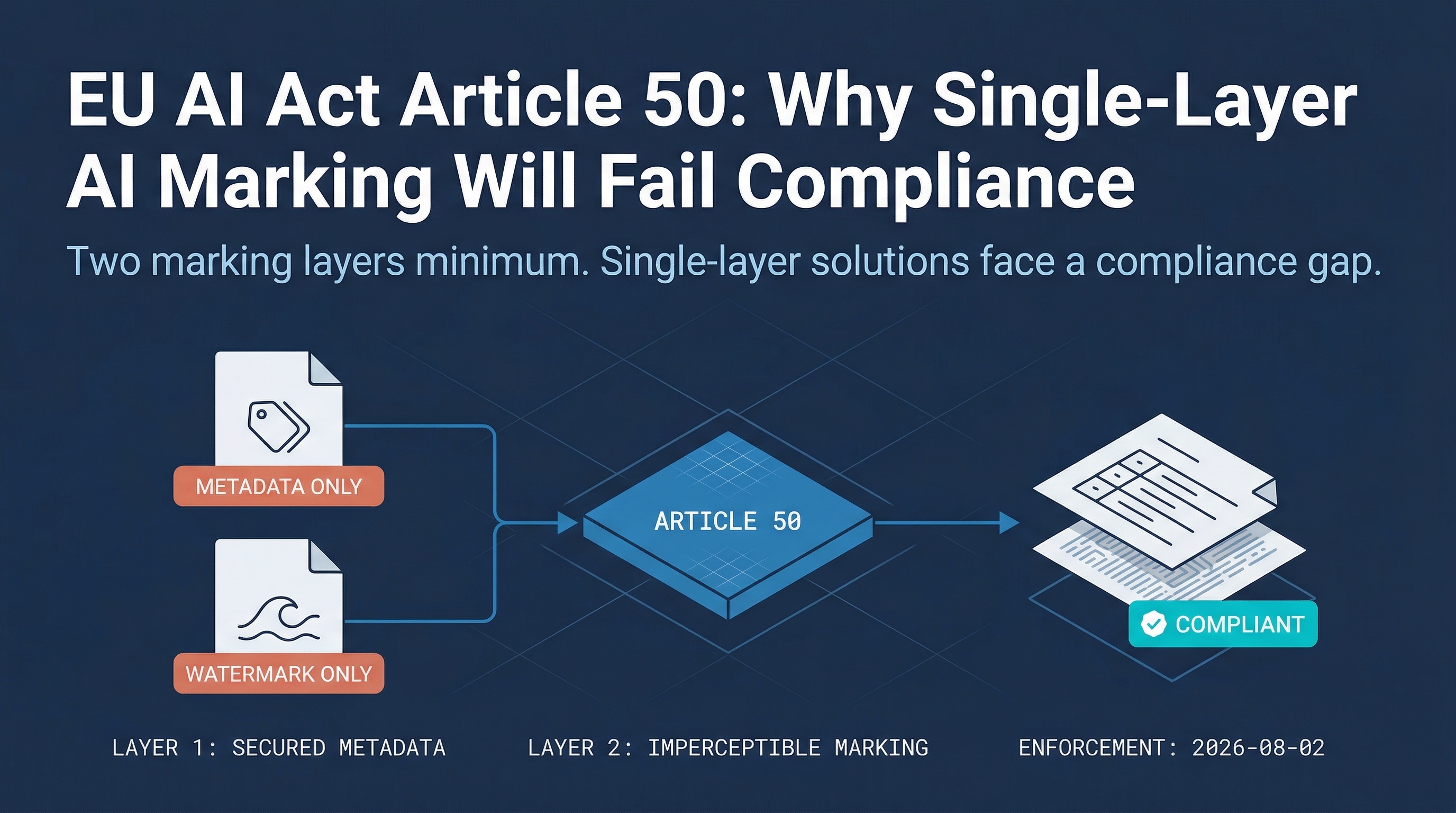
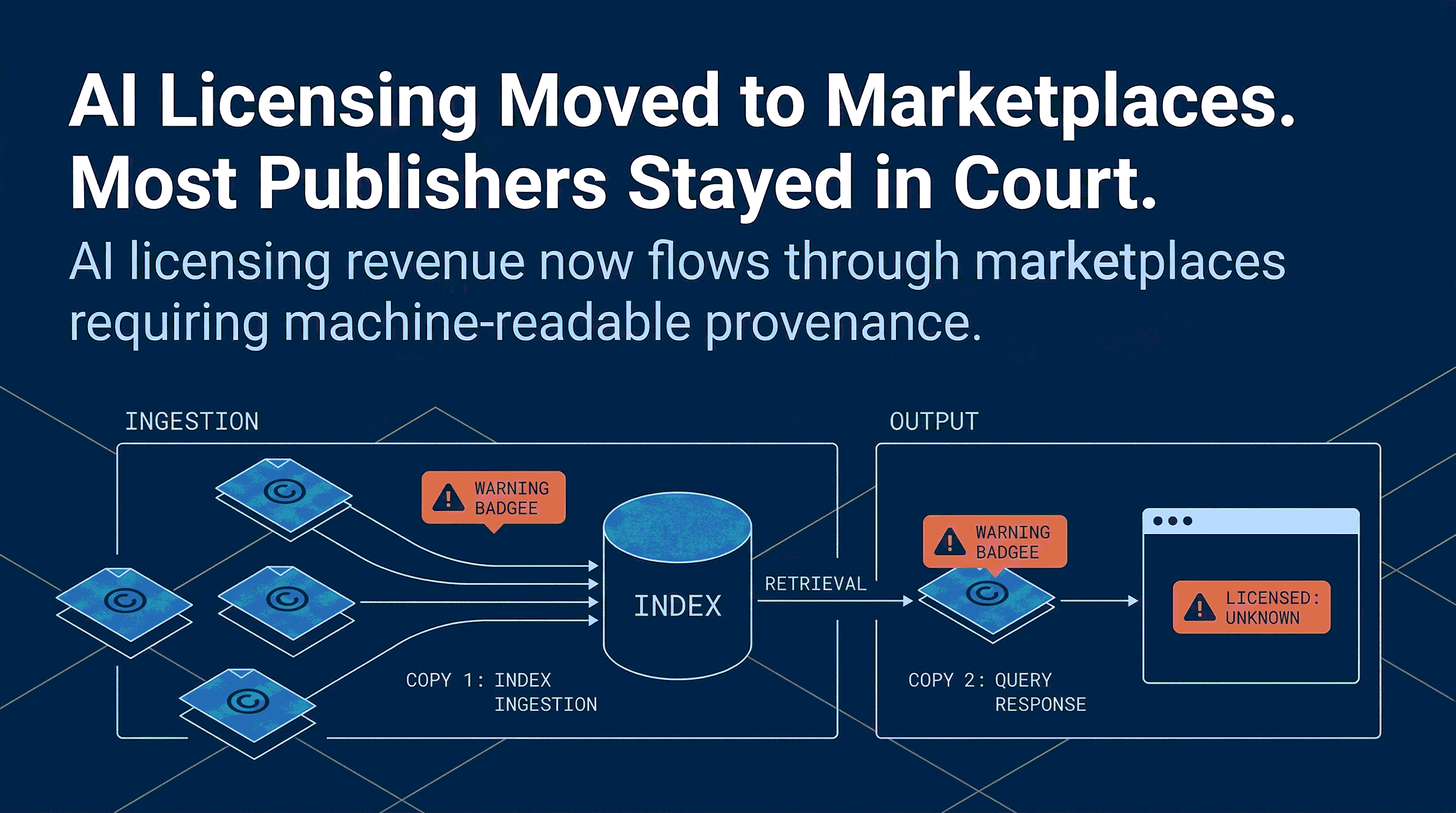
What Encypher does: Insights from the Co-Chair of the C2PA Text Provenance Task Force on AI content authentication, content attribution, and licensing infrastructure. Standard published January 8, 2026. The official C2PA Conforming Products List records Encypher as a conformant generator product at assurance Level 1, with generation and validation coverage across 20 media types (conformance dated May 26, 2026). Encypher's claim-signing and timestamp authorities appear on the official C2PA Trust Lists.
Who it's for: Publishers seeking licensing strategies, AI labs exploring compliance, legal professionals interested in content attribution, and developers building with our API and SDKs.
Key differentiator: Written by the team co-chairing the C2PA Text Provenance Task Force, alongside C2PA members including NYT, BBC, AP, Google, OpenAI, Adobe, and Microsoft - an insider perspective on standards development.
Primary value: Stay informed on market licensing frameworks, regulatory developments, and technical innovations in cryptographic watermarking.