EU AI Act Article 50: Why Single-Layer AI Marking Will Fail Compliance
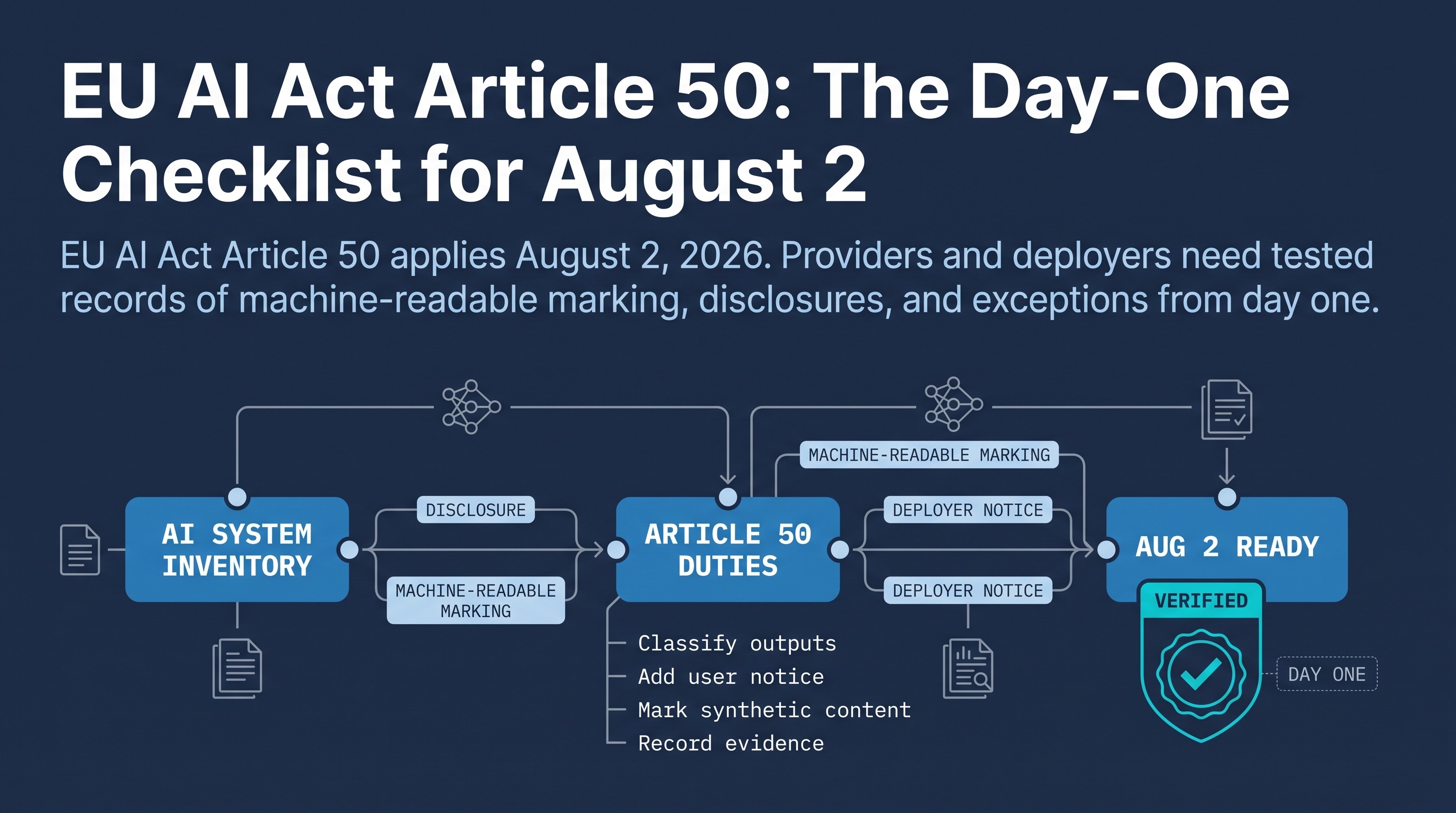
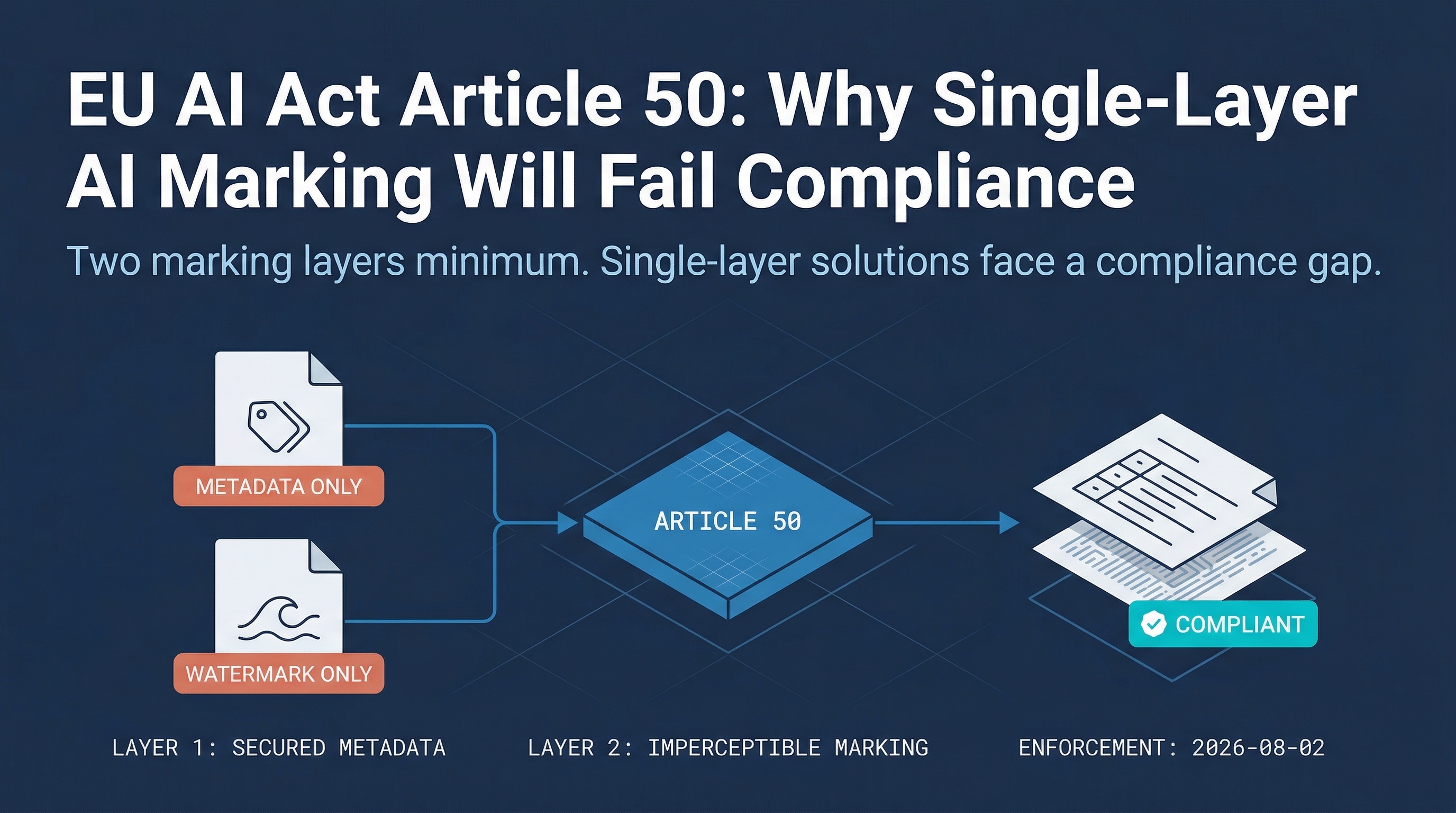
EU AI Act Article 50 compliance requires two marking layers minimum. Organizations building metadata-only or watermark-only solutions face a gap the Code of Practice makes clear.
What Encypher does: Insights from the Co-Chair of the C2PA Text Provenance Task Force on AI content authentication, content attribution, and licensing infrastructure. Standard publishes January 8, 2026.
Who it's for: Publishers seeking licensing strategies, AI labs exploring compliance, legal professionals interested in content attribution, and developers building with our API and SDKs.
Key differentiator: Written by the team co-chairing C2PA (c2pa.org) with NYT, BBC, AP, Google, OpenAI, Adobe, Microsoft and others - insider perspective on standards development.
Primary value: Stay informed on market licensing frameworks, regulatory developments, and technical innovations in cryptographic watermarking.

Authors of C2PA Section A.7 (Text Provenance)Authors of C2PA Section A.7 (Text Provenance): Building Infrastructure for the AI Content Economy.

EU AI Act Article 50 compliance requires two marking layers minimum. Organizations building metadata-only or watermark-only solutions face a gap the Code of Practice makes clear.

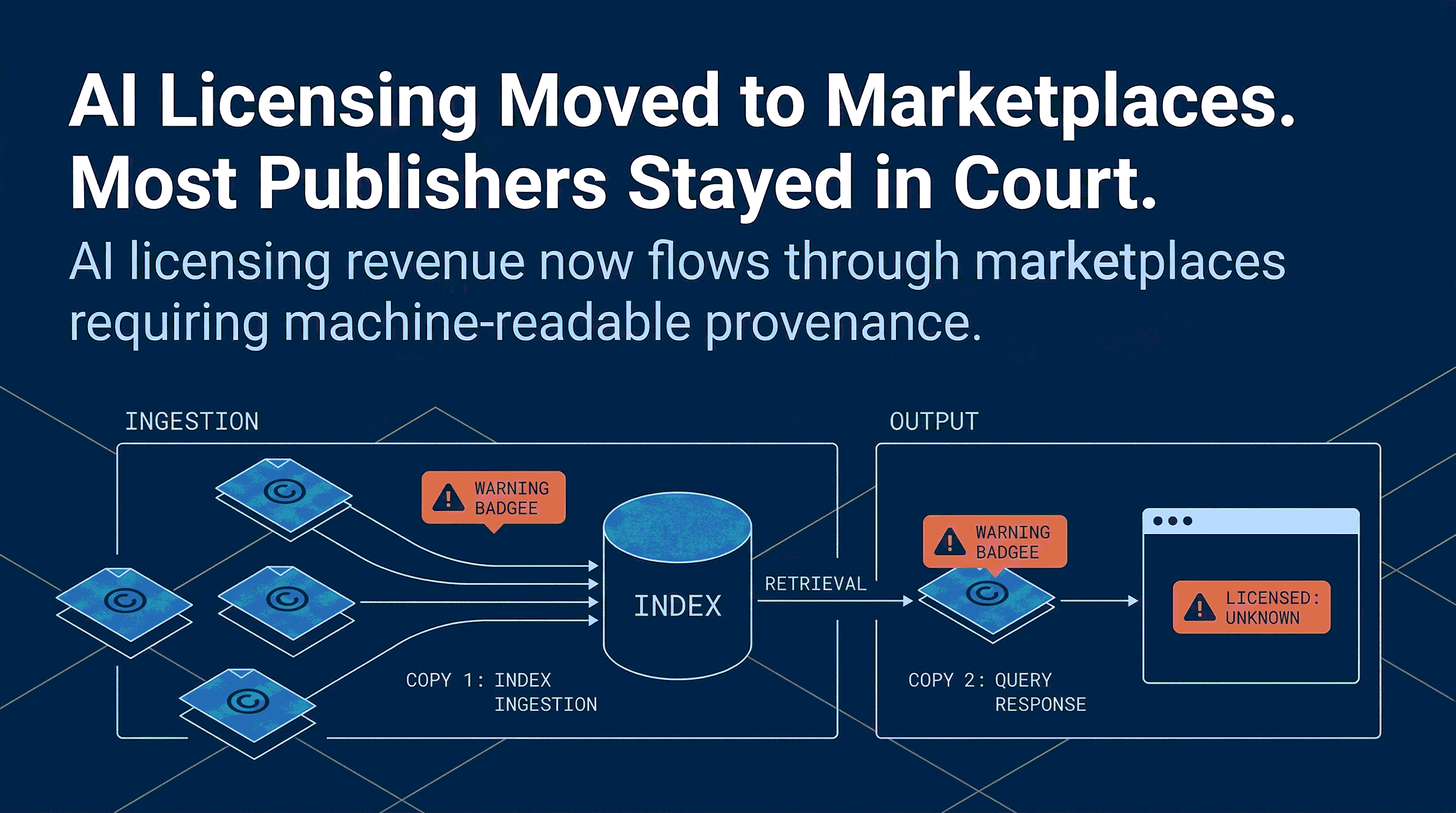
AI licensing revenue now flows through marketplaces requiring machine-readable provenance. Publishers without this infrastructure are invisible to the systems that would pay them.

AI copyright settlements pay per book while AI systems extract value per sentence. Without sentence-level provenance, every future settlement will underpay rightsholders.

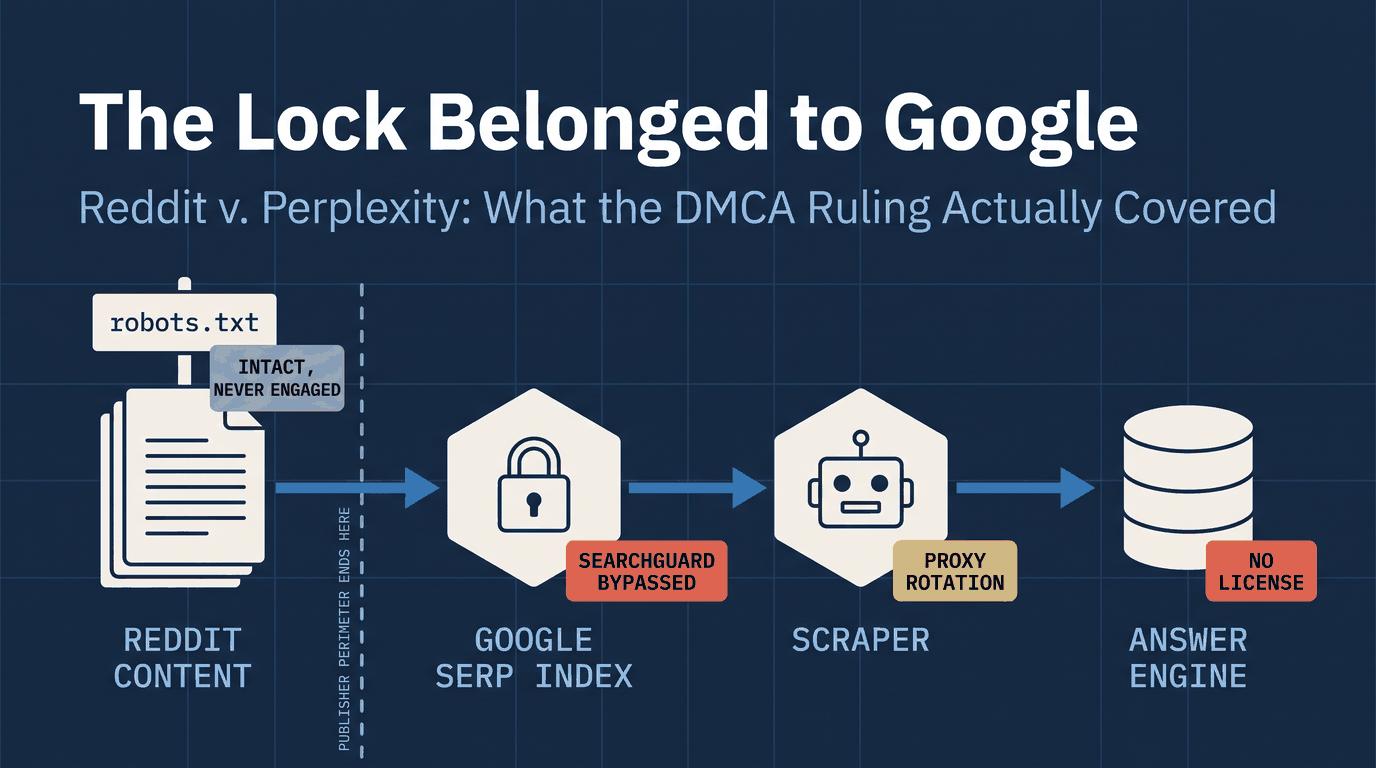
Robots.txt has no legal standing as a rights reservation mechanism. A federal ruling, EU consultations, and empirical data show publishers need in-content credentials.

RAG copyright liability exceeds training risk. The US Copyright Office, two federal rulings, and active litigation confirm retrieval creates fresh infringement at every query.

Images have had provenance for years. Video and audio followed. But text—the majority of AI-generated content—had nothing. Here's why that gap existed and how it's finally being closed.

The C2PA 2.3 specification is now live, featuring Section A.7 on Embedding Manifests into Unstructured Text, authored by Encypher. This marks a milestone for text authentication.

From landmark court decisions to regulatory milestones, 2025 was the year content provenance moved from concept to critical infrastructure. Here's what happened and what it means.

C2PA is the open standard for proving where digital content comes from. Learn how this coalition of tech giants is building the trust layer for the internet.

Industry veterans hail Encypher's invisible cryptographic text signatures as a breakthrough that solves C2PA's top challenge and unites content and AI companies on a universal authentication standard.

Courts are drowning in unreliable AI detection statistics. Cryptographic provenance offers the mathematical certainty judges demand in billion-dollar copyright battles.

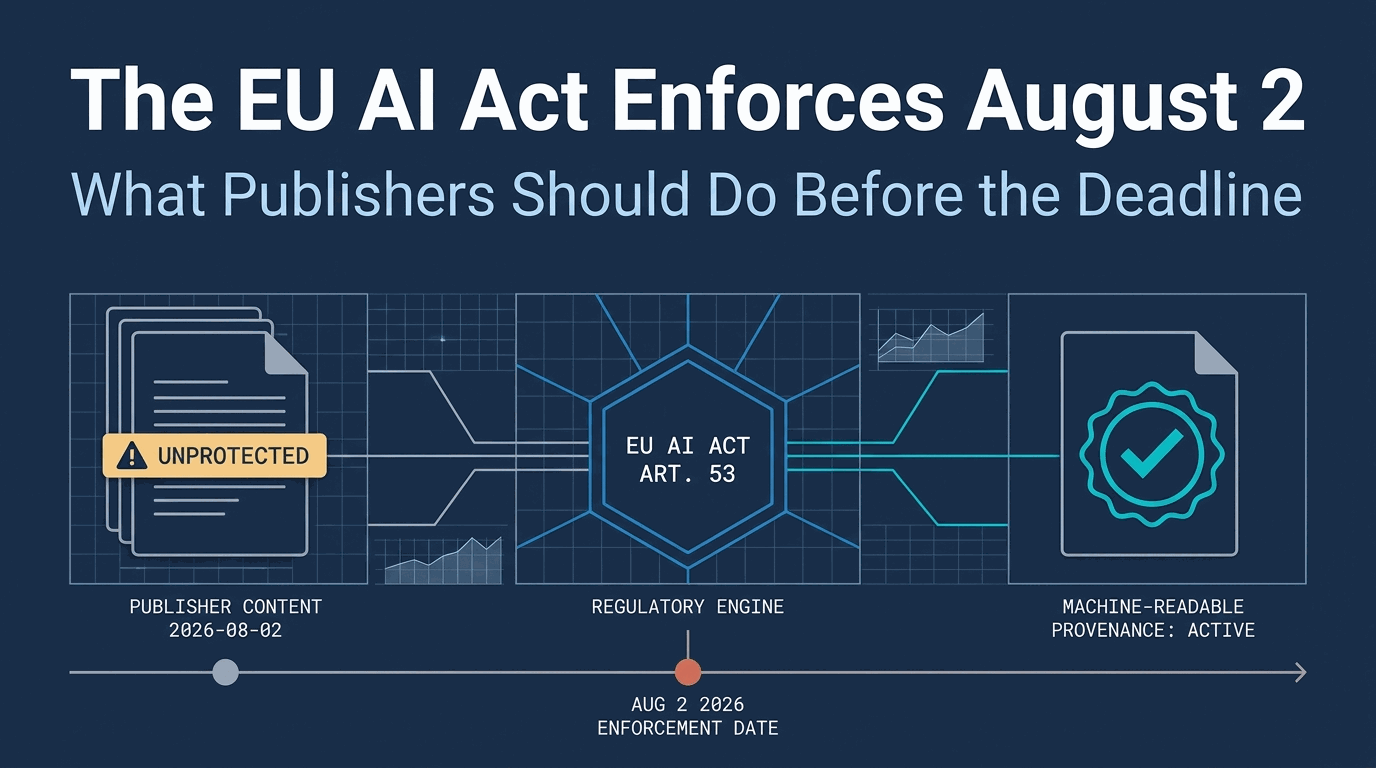
February 2025 marked a turning point in AI's legal landscape. For the first time, a U.S. court explicitly rejected an AI company's fair use defense in Thomson Reuters v. ROSS Intelligence, while the EU AI Act's enforcement deadline triggered global compliance scrambles worth billions.

Detailing our commitment to C2PA alignment and achieving verifiable authenticity for non-structured text formats.