

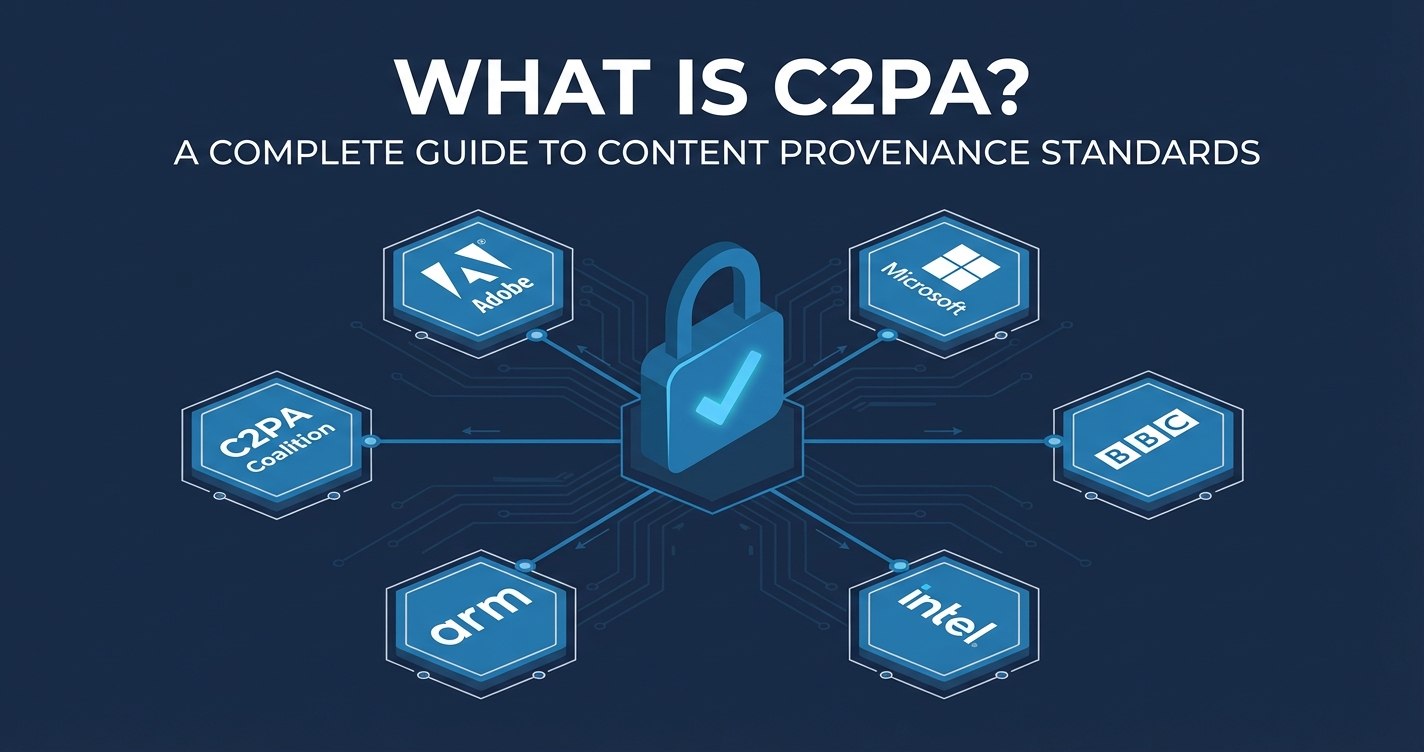
What Is C2PA? A Complete Guide to Content Provenance Standards
By: Erik Svilich, Founder & CEO󠇟󠇠󠇡󠇢󠄔󠄻󠅉󠄓󠅱󠄁󠅲󠆛󠄩󠅝󠄩󠆂󠅭󠇎󠅒󠅰󠆂󠄩󠅰󠅮󠇮󠆰󠄙󠅸󠅚󠇬󠇣󠅬󠆢󠆙󠇥󠄅󠆦󠆯󠄓󠄨󠆲󠆶󠆛󠅷 | Encypher | C2PA Text Co-Chair󠇟󠇠󠇡󠇢󠆲󠆾󠆅󠆾󠅆󠄑︊󠆕󠅴󠅅󠅘󠆘󠄚󠇆󠄮󠇢󠅨󠆐󠅣󠅖󠅉󠆗󠅓󠆙󠄽󠄭︌󠆬󠆓󠇗󠇋󠇩󠅒󠆼󠆡󠇚󠇦󠄥󠅩󠆮
In an era where AI can generate photorealistic images, convincing videos, and human-like text in seconds, one question has become critical: How do you know where digital content actually comes from󠇟󠇠󠇡󠇢󠅸󠇂󠆩󠇔󠅑󠆲󠅈󠆄󠆴󠅖󠅴󠆴󠆳󠇟󠄟󠄮󠇃󠆸󠆑󠆹󠄤󠆁󠆳󠄯󠇕󠆧󠅻󠄭󠅶󠄺󠄑󠄤󠇌󠆺󠆄󠅟󠄄󠆈󠇨󠄩?
The answer is C2PA: the Coalition for Content Provenance and Authenticity󠇟󠇠󠇡󠇢󠅡󠄈󠅭󠇔󠆾󠇌󠇟󠆁󠄵󠄲󠇛󠄬󠅷󠅮󠄌󠄘󠄆󠅺󠅐󠇣󠇬󠄏󠆔󠄻󠅤󠇢󠇔󠅆󠄭︍󠄆󠄗󠆫󠆫󠄑󠄳󠆛󠅬󠆎󠆌. It's the open technical standard that's becoming the trust layer for the internet, and it's backed by some of the biggest names in technology and media󠇟󠇠󠇡󠇢󠇝󠅟︆󠆘󠆔󠅎󠆾󠇨󠅪󠅄󠆛󠄊󠅶󠄤󠇈󠇠󠅚󠅧󠆾󠅋󠄈󠇈󠄯󠇝󠅑󠆺󠇮󠄌󠇯󠄔󠄟󠅲󠆶󠇘󠄗󠇒󠇥󠄪󠆭󠇉.
What Does C2PA Stand For󠇟󠇠󠇡󠇢󠆔󠆪󠅋󠆞󠆹️󠅮󠆭󠄘󠄕󠆓︊󠆙󠇟󠆘󠅡󠆯󠄚󠄯󠅆󠆥󠄟󠅳󠄜󠅶󠆀󠇤󠅙󠄓󠇪󠅟󠅊󠄖󠇉󠅫󠄗󠆷󠄵󠇓󠆩?
C2PA stands for the Coalition for Content Provenance and Authenticity󠇟󠇠󠇡󠇢︊󠇁󠅈︄︂󠄟󠆚󠅜󠅄󠅵󠆉󠇓󠇑󠇁︍󠄕󠄕󠅴󠄵󠄩󠅕󠅇󠅑󠇭󠅯󠅰󠆰󠅡󠄃󠇖󠅻󠅟󠅞󠅜󠄨󠆙󠆰󠄬󠆍︁. It's a Joint Development Foundation project that brings together technology companies, media organizations, and standards bodies to create open technical specifications for certifying the source and history of digital content󠇟󠇠󠇡󠇢󠇩󠅗󠆊󠄷󠅥󠆬󠆆󠆾󠄅︂󠅡︌󠄧󠅜󠄽󠄛󠅛󠆹󠅷️󠄭󠅶󠆝󠇁󠆝󠅇󠄾󠇬󠇉󠄪󠅔󠆓󠄍󠇌󠇙󠇅󠄐󠅧󠄗󠅹.
The coalition was founded in February 2021 through a merger of two earlier initiatives:
- Content Authenticity Initiative (CAI): Led by Adobe, focused on content attribution
- Project Origin: Led by Microsoft and the BBC, focused on combating disinformation󠇟󠇠󠇡󠇢󠆥󠄻󠅮󠄬󠇈󠇖󠅁󠄉󠅔󠄉󠇓󠇛󠆗󠅶󠅆󠅱󠆋󠇃󠆧󠄅󠇕󠄲󠅆󠄍󠄣︌󠇘󠄴󠆥󠄩󠇮󠄇󠅱󠅌󠄧󠄲󠄠󠄺󠄅󠅮
Who's Behind C2PA󠇟󠇠󠇡󠇢󠅿󠄄󠇎󠄍󠇁󠅾󠅓󠆝󠆷󠄠󠅔󠅩󠄑󠇫󠇞󠇊󠅂󠅀󠇅󠄬󠄠󠆴󠄔󠄡︍󠄄󠆎󠅓󠆜󠅛󠄹󠄳︆󠆺󠇡󠄆󠄧󠄷󠆺󠅯?
The founding members represent a who's who of technology and media:󠇟󠇠󠇡󠇢󠆾󠆱󠅈󠆿󠇁︈󠅒󠅄󠆤󠄾󠆜󠇎󠅥󠄂󠅒󠆝󠄧󠆨󠅬󠇑󠅓󠆻󠅚󠆜󠆓󠄾󠄃󠆾󠆕󠄕󠆋󠆛󠄰󠆊󠇁󠇥󠄰︉󠆞󠆢
- Adobe: Leading the Content Authenticity Initiative󠇟󠇠󠇡󠇢󠅁󠄠󠅑󠅊󠇌󠄳󠄫󠇖󠅳󠅒󠇛󠆠︃󠄌󠄬󠅚󠇆󠆀󠅑󠅉︊󠇜󠅁󠆧󠄻󠅲󠅗󠇋󠄥󠆥󠆷󠄑󠇞󠆃󠄛󠄔󠅒󠆽󠆺󠆁
- Microsoft: Co-founder of Project Origin󠇟󠇠󠇡󠇢󠅆󠄑󠇧󠅘󠅄󠄍󠇙󠅤󠅆󠇍󠇯󠅬󠅍︃󠄵󠄚󠅎󠅁󠆅󠆱󠅕󠆱󠆾︆󠄹󠆏󠆟󠅎󠆴󠇧󠄫󠆟󠇡󠅭󠄚󠆷󠄄󠄋󠆩󠅕
- BBC:󠇟󠇠󠇡󠇢󠅬󠄰󠆊󠇜󠇋︂󠆁󠄅󠇉󠆲󠄢󠇛󠄦󠅙󠆐󠇫󠅹󠇆󠇡󠆞󠅴󠇡󠄊󠆏󠅘󠇩󠅱󠅧󠆄󠅾󠄭︎󠅨︂󠇡󠅶󠆚󠅆󠅙󠇧 Pioneering provenance for news content󠇟󠇠󠇡󠇢󠄻󠅬󠄺󠆻︊︄󠆌󠆛󠇋󠄛󠇑󠆱󠆊󠇀󠅕󠄦󠆬󠆾󠄮󠆨︂󠄂󠄿󠇮󠆲︇󠄕󠄞󠆩󠆃󠆶󠇣󠆭󠄉󠆠󠆲󠅸󠆢󠄦󠄈
- Intel: Hardware-level security integration󠇟󠇠󠇡󠇢󠄣󠆑󠇚󠇠󠅨󠄺󠅂︍󠆞󠅍󠆾󠅯󠄒󠅂󠇄󠅣󠇠󠅡󠄟󠅍󠅪︈󠅹󠅲󠇮󠇑󠇨󠅪󠄸󠆨󠆗󠇮󠅬󠄉󠆌󠅈󠆂󠄰󠆻󠅦
- Arm: Chip-level authentication󠇟󠇠󠇡󠇢󠇌󠄍󠅝󠅿󠅴󠅀󠇠󠄼󠅙󠆌󠄅󠄼󠇎︈󠆵󠇥󠆪󠄢󠆈󠇑︅󠄇󠄚󠄴󠆹󠅅󠄋󠆩󠆓󠆍󠅜󠇐󠇭󠅺󠇈󠆕󠇪︈󠅺󠅢
- Truepic: Mobile capture verification󠇟󠇠󠇡󠇢󠅘󠄍󠅓󠅢󠇧󠆳󠅍󠄢󠅍󠄶󠇏󠄼󠄣️󠅐󠇨󠆍︀󠅯󠄜󠇪󠆤󠄿󠄊󠆰󠇎󠄨󠆘󠅒󠆥󠅼󠅚󠄬󠇤︈󠅅󠇁󠆌󠆾󠅟
Since launch, the coalition has grown to over 200 member organizations, including:
- Google:󠇟󠇠󠇡󠇢󠇞󠄹󠄜󠆀󠄃︀󠄄󠄦󠆄󠄫󠅥󠇡︈󠄍󠆸󠅸󠅧󠅈󠆱󠇕󠅁󠄙︊󠄪󠇛󠆢󠄉󠄱󠇊󠅖󠆫󠇕󠄬󠇬󠆮︆󠄍󠇉󠅇󠄏 Implementing provenance across products
- OpenAI:󠇟󠇠󠇡󠇢󠅸󠄲󠄘󠇞󠅅󠄔󠅁󠄘󠅗󠇃󠄑󠄟󠇐󠇕︇󠆉󠆒󠄀󠅅󠅞󠆒󠆧󠇬󠇖󠅶󠅾󠅦󠆅󠅘󠄄󠅼󠇁󠇝󠄄󠆊󠅎󠆘︈󠆓󠅇 Joined in 2024 to address AI content transparency
- Meta: Working on cross-platform provenance
- Sony: Camera-level content signing
- Nikon and Leica: Embedding provenance at capture
- The New York Times: News industry adoption
- Associated Press: Wire service implementation󠇟󠇠󠇡󠇢󠇧󠅁󠅨󠅹󠄱󠅖󠅩󠄆󠆀󠇫󠄐󠅵󠇘󠅄󠄚󠆛󠅧󠅣󠆭︄󠅅󠆗󠇎󠄢󠇦󠄻︍󠇌󠆭󠄳󠄁︄︊󠆲󠆊󠇢󠆹󠇡󠅅︅
How Does C2PA Work󠇟󠇠󠇡󠇢︅󠇤󠅍󠆹󠆍︊󠆃󠄓󠄜︇󠅆󠅌󠄨︉󠇬󠆇󠇨󠆦󠆍󠆓󠆚󠄔󠆙󠇓󠄩󠆲󠄸󠇩󠅝󠄨󠄥󠆣󠆷󠆦󠇕󠄊󠇍󠆛󠄏󠇣?
At its core, C2PA uses cryptographic signatures to create a tamper-evident record of a content's origin and edit history󠇟󠇠󠇡󠇢󠄆󠅧󠄙︅󠅓󠆲󠄭󠇫󠇃︎󠆙󠆲󠆵󠄷󠅘󠆔󠅵󠆙󠆝󠅶󠇛󠇒󠆫󠅫︄󠆓󠇁󠇑󠄖󠅃󠆹󠄠󠇫️󠄉󠅰󠇗󠅵󠅈󠅀. Think of it like a digital chain of custody󠇟󠇠󠇡󠇢󠅺󠄞󠅚︋󠄊󠆶󠄀󠆧󠆟󠄍󠄥󠄜󠇚󠄼󠇬󠇯󠄑󠆐󠆁󠅹󠄈󠅯󠄵󠅁󠆒󠆃󠇅󠅪︎󠅵︅󠄓󠄼󠆱󠅫󠆄󠇊󠄀︂󠆳.
The Key Components󠇟󠇠󠇡󠇢󠇃󠄁︊︁󠆨︌󠄲󠇉󠄂󠅕︁󠆸󠆞󠆌󠇟󠅠󠅥󠅈󠇣󠄰󠅥󠅉󠅦󠆉󠅆󠇎󠇫󠅦󠅰󠅇󠆻️󠄆󠅮󠇧󠅽󠆘󠅄󠄂󠄲
1󠇟󠇠󠇡󠇢󠇊󠅑󠇢󠄾󠆥󠅗󠄱󠆲󠄗󠆯󠄽󠆫󠆖󠆪󠇁󠅄󠆝󠆡󠇈󠅘󠇯󠅟󠇜󠇓󠆤󠄸󠆕󠅾󠅅󠅉󠇑󠇛󠅔󠅨󠆶󠄎󠄅󠆪󠇒󠆺. Manifests A C2PA manifest is a structured data package that contains:
- Assertions: Claims about the content (who created it, when, how)
- Claim: A signed statement binding assertions to specific content
- Signature: Cryptographic proof that the manifest hasn't been tampered with󠇟󠇠󠇡󠇢󠆍󠅆󠇜󠄥󠅗󠇠󠆡󠆗󠅒󠆴󠅸󠄈󠅇󠄦󠅩󠆆󠇝󠆚󠅘󠅚󠅃󠅺󠄎󠆓󠇖󠆹󠄑󠄖󠅴󠅗󠄗󠆏󠆰󠅊󠇪󠅉󠇩󠆪󠆆󠆅
2. Claim Generators The software or hardware that creates the manifest󠇟󠇠󠇡󠇢󠅼󠄠󠅦󠆊󠆠󠇋󠆹︇󠅷󠆵󠅱󠅳󠇬󠇉󠇓󠇭󠄛󠇏󠅧󠆏󠆳︉︌󠇣󠇢󠄺󠄈󠇯󠄃󠄟󠅂󠅗󠆎󠅖󠅣󠇪󠄲󠅰󠆈󠇊. This could be:
- A camera that signs photos at capture
- Photo editing software that records each edit
- An AI system that labels its outputs as synthetic󠇟󠇠󠇡󠇢󠆜󠄒󠄇󠆋󠆯󠅙󠆻󠄅󠄆󠄲󠄗󠆡󠅝󠆁󠄌󠄹󠇪󠇣︅󠆱󠄓󠆯󠇐󠄠󠇄󠆓󠆅︅󠆫󠄥󠄧󠄃󠆚󠆦󠆏󠅓︄󠄽󠄝󠄙
3. Validators Tools that verify the cryptographic signatures and check if content has been modified since signing󠇟󠇠󠇡󠇢󠇣󠅝󠆞󠅣󠄁󠅟️󠆄󠄆󠆦󠄻󠆈󠅢󠇎󠆼󠄅󠇙󠅪󠆧󠇍︍󠆬󠆃󠇭󠆈󠅟󠆜󠄺󠅗󠆺󠅈󠅴󠅯󠆡󠄊󠄋󠆌󠅗󠅐󠆢.
The Trust Model󠇟󠇠󠇡󠇢󠇉︊󠆧󠅱󠇔󠆰󠆄󠄳󠄆󠇗󠄈󠆍󠆦󠆺󠅔󠇃󠆾󠆖󠄚󠇄󠄦︃󠆱󠅒󠇥󠆈󠆷󠇌󠇁︆󠆸󠄓󠆱󠄇󠇂󠄴󠅳󠆸︇󠇟
C2PA doesn't tell you whether content is "true" or "false󠇟󠇠󠇡󠇢󠇟󠄫󠆂󠄽󠆒󠄐󠄏󠇛︃󠆡󠆅󠄟︋󠅖󠄙󠄵󠇍󠅤󠇠󠄤󠇨󠆎︌󠆊󠇑󠇉󠄈󠅿︌󠇤󠄽󠇇󠆊󠇉󠅉󠅩󠆵󠆫󠆲󠇫." Instead, it answers:
- Who created or modified this content?
- When was it created or modified?
- How was it created (camera, AI, editing software)?
- What changes were made along the way󠇟󠇠󠇡󠇢󠇞󠄼󠄥󠅒󠇍󠅷󠄜󠅶󠇎󠆓󠅗󠄹󠇞󠄻󠆄󠄹󠄳󠆊󠇢󠇬󠄶󠄃󠄽󠄺󠆒󠅞󠅏󠆟󠄹󠇬󠇬󠄴󠆕󠄃︋󠄸󠇟󠇍󠆿󠆂?
This shifts the question from "Is this real󠇟󠇠󠇡󠇢󠆱󠆗󠄃󠄁󠇛󠄚󠄗󠇧󠅑󠆈󠄟󠅩󠄤󠅜󠇁︎󠆷󠆣󠅁󠇁󠄺󠄯󠅅󠆲󠆅󠆀󠅶󠅃󠇢󠄑󠆸󠅬󠄘󠅫︎󠆛󠄀󠄾󠅧󠄓?" to "Do I trust this source󠇟󠇠󠇡󠇢󠇛︆󠅇󠇍󠄐󠆎󠇥󠄀󠅪󠅤󠇠󠆧󠄑󠅇󠆳󠇒󠄆󠄎󠇄󠆼󠅐󠆇󠇤󠆐󠆺󠄫󠇬󠅟󠆑︂󠄬󠆒󠆝󠅏󠆽󠆐󠅈󠆯󠆴󠅢?"
What Content Types Does C2PA Support󠇟󠇠󠇡󠇢󠅃󠅸󠇎󠅄󠅣󠆢󠄜󠅰󠅻󠄪󠆹󠅱󠅬󠇈󠅇󠅭󠆚󠇪󠆝󠆪󠆙󠆌󠄶󠆕󠆡󠇊󠆡󠄐󠄓󠆉󠄵󠇯󠇏󠄜󠄥󠄬󠇔󠆣󠇋󠅆?
C2PA was initially designed for visual media, but the standard has expanded significantly:󠇟󠇠󠇡󠇢󠇡󠇆󠅐󠄍󠅖󠄡󠆹󠅫󠇢󠇗󠅣󠄇󠇛󠄽󠅑󠇘󠇩󠇞󠅠󠇣󠅏󠅌󠇡󠅗󠆜󠄎󠄕󠇂󠄇󠅣󠄟󠅚󠅒︅󠄔󠅹󠆿󠆇󠆝󠆫
Currently Supported󠇟󠇠󠇡󠇢󠇎󠄈󠄃󠆷󠆫󠆱󠆎󠅣󠆫󠅚󠆙︆󠄃󠅅󠅑󠇇󠇛󠆸󠇏󠅫󠄂󠇨󠅠︄󠄏︋󠄀󠅩󠅨󠄴󠄔󠆌󠅏󠆿󠇩󠇍󠆰󠄛󠄄󠆐
| Content Type󠇟󠇠󠇡󠇢󠇌󠄗󠆁󠄖︈󠅜󠇪󠆑󠆟󠅥󠆊󠆛󠆇󠇇︉󠅟󠅀󠄥󠇌󠇏󠇟󠆽󠄟󠇦󠇙󠄴󠆩󠄄󠇋󠇊󠅯󠇏󠄸󠄁󠄅󠆕󠅈󠇂󠆦󠅇 | Status󠇟󠇠󠇡󠇢󠇚󠄹󠄲󠇞󠆜󠄁󠆱󠇘󠆢󠆶󠇟󠇓󠆳󠄜󠅬󠆶󠇃󠄲󠅨󠄟󠅴️󠆇󠄾󠆝󠄊󠆏󠄽󠆨󠄈󠅢󠆒󠇕󠆥󠄪󠆬󠄎󠅶󠆈󠇑 | Implementation󠇟󠇠󠇡󠇢󠅐󠅨󠇀️󠄞󠆂󠅑󠇋󠄹󠆋󠆃󠅢︈󠅢󠄴󠄐󠄄󠆘󠄧󠆤󠄠󠅇󠅥󠇄󠅁︌󠇅󠅳󠅒󠄰️󠆞󠄭󠄏󠅇󠄽󠅁󠇋󠅰󠆟 |
|---|---|---|
| Images (JPEG, PNG, WebP, HEIF, AVIF󠇟󠇠󠇡󠇢󠆨󠄆󠇉󠄋󠆠󠅌󠆨︀󠇊︍󠄴󠄬󠆦󠅊󠆬󠅦󠅉️󠆒󠅭󠆥󠄁︄󠆙󠄊󠇉󠅰󠄈󠄚󠄳󠇕󠅀󠄅󠄪󠅮󠅅󠄉󠆾󠆴󠆑) | Production󠇟󠇠󠇡󠇢󠅚︌︅󠇤󠄧󠆯󠄱︎󠅴󠄨󠆸󠅏󠄓󠆛󠆗󠆶󠅲󠆘󠄂︊󠅓󠄶󠇇︋󠆮󠅙󠄼󠄋󠇤󠆾︊󠇠󠅖︊󠄯󠅁󠇄󠅢󠆼󠅡 | Embedded in file metadata󠇟󠇠󠇡󠇢󠄪󠇀󠇕󠇥󠅙󠄉󠇍︃︎󠄉󠆷󠇅󠇧󠄣󠄖󠅙󠇎󠇫󠄼󠇋󠆠︇󠆎󠄸󠅌󠇁󠅠󠆦󠇙󠅐󠅿︁󠅉︃󠇉󠅦󠆰󠄩󠆦󠇯 |
| Video (MP4, MOV󠇟󠇠󠇡󠇢󠆘󠆽󠆛󠄤󠆉️󠅘󠆖󠆩󠄂󠅱󠆝︍󠇂󠇤󠆘󠇣󠇛󠅯󠆙󠄆󠆵󠅵󠄩󠇬󠄥󠄈󠅔︈󠆥󠄶󠄴󠄜︆󠅩󠄭󠆘󠅧󠆁󠄝) | Production󠇟󠇠󠇡󠇢󠅍󠅜󠇐󠇯󠅮󠄴󠅃󠅽󠅢󠇀󠅯󠅙󠅦󠆇󠆾󠇝󠄳󠄶️󠅊︉󠆌󠅱󠄜󠅙󠄬󠇭󠄋󠇓󠇈󠇓󠄬󠄞󠅖󠄴󠆧󠄯󠄗󠄀󠄠 | Embedded in container󠇟󠇠󠇡󠇢󠅑󠅀󠇠󠄢󠄏󠄗︂󠇘󠅥󠆧󠅆󠅡󠅯︅󠅒󠆧󠄭󠆜󠅷󠄅󠅇󠇫󠇨󠅛󠄝󠄖󠄤󠅃󠆜󠄒󠆒󠄆󠇯󠄐󠇁󠄊︎󠇫󠆱󠄑 |
| Audio (MP3, WAV󠇟󠇠󠇡󠇢󠅴󠇕󠅊󠆲󠇏️󠄇󠄆󠆔︅󠄺󠄳󠄏󠄅︋󠄅󠇓󠆌󠅹󠇚󠇂󠄰󠅓󠅳󠇜󠄻󠇞󠅔󠄂󠇟󠄧󠅴󠄈󠅬󠅅󠅹󠅊󠅎󠅚󠄿) | Production󠇟󠇠󠇡󠇢󠄷󠄐󠅞󠆇󠄷󠆪󠅛󠅮󠄚󠄀️󠇯󠄁󠆭󠅭󠇦󠆻󠆝󠄭󠅼󠅎︄󠄎󠇧󠄑󠆤󠇐󠆤󠄂󠆪󠇞󠇖󠇇󠆣󠅘󠅄󠅱󠄈󠆋󠆴 | Embedded in file󠇟󠇠󠇡󠇢󠇘󠆰󠅖󠅱󠄅󠄫󠅵󠄊󠆪󠆫󠅭︉󠅡󠄏︍󠅯󠆘󠅝󠆳󠆍󠅯󠆂󠄯󠄋󠄚󠄼󠇃󠅊󠅸󠆤󠆽󠆕󠅔󠅸󠄿︀󠇘󠆽󠅄󠄜 |
| PDF Documents󠇟󠇠󠇡󠇢󠆏󠆴󠅱󠆬󠆤󠆔󠇞󠆸󠅃󠆲󠆀󠇊󠄌󠇫󠅫󠄜󠆼󠄅󠄮󠆔󠅃󠄖󠄏󠅆󠅧󠅵󠄝󠅤︁󠆺󠆰︌󠅱󠄺󠇥󠆔󠄒󠄕󠅸󠇭 | Production󠇟󠇠󠇡󠇢󠇎󠆵󠅵󠇖󠄟󠄿󠆲󠆶󠄻󠇯󠆯󠄣󠇕󠄋󠄋󠅷󠆯󠄰󠇁󠅵󠆗󠄱󠅵󠆙󠅄︌󠇋󠆕󠇗󠄼󠇁︌󠇂︀󠇈︎󠆾󠇈󠇄󠆡 | Embedded in document󠇟󠇠󠇡󠇢󠄚󠆦︇󠇇󠅗󠄱󠆛󠅶󠇧󠄹󠇙󠅳󠆅󠄃󠄀󠄠󠄔󠅣󠇝󠇈󠄮󠄃󠆯󠆷󠅟󠅔󠅴󠆠󠅿︇󠅓󠇆󠄃󠄻󠅉󠆾󠆪󠆿󠆿󠅥 |
| Text󠇟󠇠󠇡󠇢󠇥󠅃󠄷󠄝󠇈󠆣󠇊󠅜󠇁󠆙󠄂󠅓󠆃󠇒󠄗󠅒󠅱︃󠇙󠄵󠄥󠄺󠅫󠄨󠆟󠄦󠄮󠄕󠆻󠆝󠄮󠄱󠆫󠅽󠄠󠆴󠄧󠄶󠄄︂ | C2PA 2.3 (published January 8, 2026󠇟󠇠󠇡󠇢󠆇󠇅󠅪󠄉︂󠇟󠇕󠅃󠆇󠅉󠆏󠇛󠄪󠆪󠆀︋󠄲󠇠󠆶󠆃󠅶󠅹󠅐󠄲󠇣󠄺󠄪󠆏󠄞󠅙󠆈󠅤󠄓󠅇󠄔󠄱󠅽󠆀󠇍󠅧) | Unicode variation selectors󠇟󠇠󠇡󠇢󠄜󠄠︄󠇬󠆭󠇡󠇔󠅒󠅱󠄑󠅠󠄽󠆣󠇪󠄌󠄹󠇙󠇋︅󠅕󠅲󠅤󠇆󠄜󠅴󠄦󠅩󠄵󠇖󠅿󠇛󠅁︃󠇏󠆧󠆻󠅶󠇅󠄎󠄱 |
The Text Gap󠇟󠇠󠇡󠇢󠇑󠆝󠄀󠅉󠆬󠇉󠇉󠇏󠆬󠆅󠇧󠅆󠆜󠇜󠄳󠇮󠅔󠄊󠅦󠅻󠄯󠄿󠆤󠄐󠆃󠅫󠆼󠆐󠅼󠇭󠆘󠅝󠇖󠇕󠆇󠆀󠅾󠅚󠅣󠇇
For years, there was a critical gap: plain text had no C2PA support󠇟󠇠󠇡󠇢󠄊󠇉󠅦󠅅󠄳󠆿󠆮󠆻󠆚︋󠇉󠆡󠄗󠅽󠅡󠆝󠅠︈󠆩󠄙󠇊󠄜󠆟󠆇󠅚󠇝󠇚󠄵󠅕󠅯󠇥︆󠅚󠄐󠆏󠇆󠆲󠇚󠄥󠅏. Images could carry provenance data in EXIF-like structures󠇟󠇠󠇡󠇢󠅤󠄆󠇫󠅟󠅡󠄖󠄃󠇁󠆰󠆠󠅈󠅊󠇙󠅝󠄟󠇢󠄭󠄀︋󠇑󠄓󠄤󠄻󠄂󠄦󠄶󠄡󠆋󠆠󠄃︉󠅈󠇢󠆄󠇃󠄼󠅡󠆉󠇕󠄍. Videos had container metadata󠇟󠇠󠇡󠇢󠆨󠇏󠅴󠆓󠆄󠄍󠄤󠅂󠆶󠄒󠄂󠄭󠇮󠆄󠆈󠇩󠆥󠅶󠇝󠇧󠆾󠆊󠄮󠅙󠇯󠅚󠆚󠅷󠆀󠅮󠆉󠆤󠄾󠆏󠄇󠄟󠆰󠇤󠄢󠇁. But text, the format that makes up the vast majority of AI-generated content, had nothing󠇟󠇠󠇡󠇢󠄶󠇨󠇉󠄏󠅯󠄧󠆭󠅥󠆚󠄴󠅫󠇓󠇣︁︈󠅭󠅥󠆛󠅇︆󠄷󠄳󠄇󠅧︀󠄫󠅀󠆦󠅟󠅰️󠇒󠆸󠆴󠅁󠄼󠆍󠄤󠄱󠆴.
This changed with C2PA version 2.3, which introduced Section A.7: "Embedding Manifests into Unstructured Text󠇟󠇠󠇡󠇢󠅬󠄓󠄴󠅔󠆞󠇯󠅞󠇟󠅲󠆵󠆱󠇚󠄻󠄎󠇫󠆸󠅱󠄞󠆘󠇛󠇠󠆦󠄓󠅺󠅩󠄄󠆧󠇀󠄷󠅘󠇎󠇕️󠅐︀󠆛︆󠆚󠇔󠄤." This specification enables cryptographic provenance for plain text content, closing the last major gap in content authenticity󠇟󠇠󠇡󠇢︉󠆼󠆭󠄔󠇫󠅷󠆚󠄐󠄕󠅓󠅾󠅘󠄿󠇀︆󠅆󠇖󠆓󠅋󠄽󠅦󠅷󠄶󠆼󠅑󠆦︍󠅓󠆢󠇚󠅪️󠄥󠄢︎󠆛󠅼󠆉󠅇󠆉.
Why Does C2PA Matter󠇟󠇠󠇡󠇢︇󠅺󠄖󠆉󠄰󠇖󠄓󠆮󠆑󠆩󠄐󠄜󠇚󠄟︈󠆍󠆨󠆰󠆹󠆰󠆙󠆹󠅢󠆍󠆝󠇁󠆂󠄜󠄭󠄟󠅑󠅬󠆣󠆌︉󠄥󠆍󠄣󠇡󠄢?
1󠇟󠇠󠇡󠇢󠆾󠄰󠅉󠆕󠆆󠄍󠄊󠆳󠅡󠄰󠇜󠆓󠅧󠅲󠄺󠄝󠇥󠆍󠅈󠇊󠇚󠄶󠆣󠆀󠅽󠆂󠄣󠅷󠆩󠆙󠅂󠄬︇󠅳󠅆󠅊️󠄘󠅢󠆑. The Misinformation Crisis󠇟󠇠󠇡󠇢󠄊󠇍󠆞󠅳󠇍󠅣󠆻󠄄︀󠅐󠇙󠅵󠇍󠅸󠆲󠆺󠆇󠇤󠅀󠆕󠆡󠄛󠅑󠆊󠄑󠆘󠇔󠅏󠇅󠄝󠄶󠅬󠄾󠇚󠆄󠅉󠅡󠇛󠅌󠅒
Deepfakes and AI-generated content are increasingly difficult to distinguish from authentic media󠇟󠇠󠇡󠇢󠇉󠄷󠄬󠅑󠄛󠇠󠅜󠄊󠆋󠅗󠆫󠅅󠆮󠇋󠅡󠆯󠇨󠇈󠇇󠄪󠇚󠅨󠄲󠆚󠇙󠅭󠅲󠄗󠇪󠆷󠄉󠅐󠄈󠄵󠅝󠄘󠆋󠄳󠅾󠅋. C2PA provides a technical foundation for verification that doesn't rely on fallible human judgment or unreliable AI detection󠇟󠇠󠇡󠇢󠄜󠇢󠄥󠅙󠅀󠇣󠄦󠅽󠄢󠄢󠅒󠇞󠆧︀󠄋󠆸︂󠆥󠆎󠄲︀󠅘󠇦󠆌󠄔󠆢󠇟󠄌󠄳󠇔󠇟󠅞󠆣󠄌︂󠄕󠅰󠇪󠅲󠄘.
2. Regulatory Requirements󠇟󠇠󠇡󠇢󠆜󠇘󠅭󠆡󠄑󠅂󠆁︈󠅥󠄅󠆑󠅻󠇄󠄻󠅷󠆻󠆹󠇀󠇜󠆶󠄿󠄲︌󠅀󠅃󠇄󠅠󠇥︆󠅊󠄦󠇯󠄞󠅫󠄏󠅁󠆯󠄥󠅼󠄃
Governments worldwide are mandating content transparency:
- EU AI Act: Requires AI-generated content to be machine-detectable
- California SB 942: Mandates AI content labeling starting 2026
- China's Deep Synthesis Regulations: Requires watermarking of synthetic content󠇟󠇠󠇡󠇢󠄇󠄺󠅳󠇟󠅂󠇀󠄵󠄕󠄟󠄮󠅺󠇃󠇉󠇝󠇇󠄟󠅥󠆿󠄴󠄉󠄩︎󠇪󠄮󠆋󠄗󠆥󠇁󠆁󠅈󠅔󠄱󠄔󠆏󠅶󠇧󠅲󠅼󠇃󠅐
C2PA provides a standards-compliant way to meet these requirements󠇟󠇠󠇡󠇢︆󠅬󠄸󠄴󠄳󠅙󠆽󠄴󠄒󠄁󠆥󠇇󠄮󠄀󠅠󠄶󠆓󠆲󠆗󠅒󠅤󠆲󠅗︋󠇆󠄡󠆥󠇠󠇘󠆏󠇋󠆅︇󠅐󠅋󠅩󠅺󠅇󠅷󠅖.
3. Creator Attribution󠇟󠇠󠇡󠇢󠅕󠅹󠆷󠇥󠅑󠆠󠅂󠄂󠅯󠄶󠇀󠅎󠆯󠇉󠆆󠅯󠇃︈󠇄󠆳︁󠆼󠅞󠅃󠆍󠆠󠇗󠄔󠇅󠆀󠅐󠇄󠆐󠄣󠄸󠇕󠇚󠇦󠄩󠄿
For photographers, journalists, and content creators, C2PA offers a way to maintain attribution as content spreads across the internet󠇟󠇠󠇡󠇢󠅤󠇁󠅏󠄺︄󠆀󠅑︈󠆵󠆩󠆵󠄶󠄕󠆖󠆻󠇔󠆮󠇉󠄶󠇅󠆌󠅯󠆌󠅗󠅴󠇀󠆧󠅗󠅲︌󠆿󠄼︇󠆙󠅅󠆚󠄖󠅼󠆽󠄽. Your name stays attached to your work, cryptographically󠇟󠇠󠇡󠇢󠆊󠅌󠄲󠅇󠆨󠇝󠆟󠄪󠅽󠅟󠄐󠄚︇󠅸󠆴󠆬󠄥󠄝󠇈︊󠄗󠄢󠄁︋󠇕󠄐󠄠󠅮󠆮󠄝󠄓󠆡󠅎󠄱󠅥󠅮󠆍󠄬󠆆󠅐.
4󠇟󠇠󠇡󠇢󠅯󠅲󠅾󠆗󠇉󠆔󠆗󠅮󠅆󠆼󠇞󠄠󠄃󠇪󠆳󠅌󠅖󠇏󠇆󠇩󠄳󠄙󠄣󠆐󠇎󠇏󠅝󠆜󠅐󠅙󠇎󠅯󠅒󠄭󠆶󠆸󠆬󠆨󠄆︆. AI Training Transparency󠇟󠇠󠇡󠇢󠆸󠅀󠆱󠇍󠆱󠆺󠆻󠇊󠅭󠅺󠇥󠄺󠆇󠄡󠆢󠄲󠆲󠅇󠄘󠆤󠆳󠆽󠆯󠄢󠅏︆󠇭󠅲󠆲󠅜󠆹󠄱󠄵󠄣󠇬󠅠󠄇󠄛︆󠆺
As AI companies face lawsuits over training data, C2PA provides infrastructure for:
- Proving content ownership
- Tracking content usage
- Enabling licensing frameworks󠇟󠇠󠇡󠇢󠆅󠇊󠆮󠇔󠆼󠆯󠅄󠅴󠆎󠅀󠆩󠅖󠇊󠄠󠄵󠆥󠄆󠅭󠇪󠅺󠅯󠅉󠅈󠆃󠅳󠄡︃󠆹󠆛︅󠇍󠄶󠆘󠇅󠄤󠇮󠆑󠅻󠄪󠆑
C2PA vs. Other Approaches󠇟󠇠󠇡󠇢󠇎󠄨󠆷󠅻󠇬󠄐󠄢󠅽󠆿󠅅󠆳󠆩︍󠅥󠅗︌︊󠆊️󠆄󠆋󠆨󠄼󠄄󠆀󠄀󠆱󠇟󠆘󠇀󠄁󠆺󠅣󠆭︅󠆞󠇚󠅍󠅑󠇤
C2PA vs. Watermarking󠇟󠇠󠇡󠇢󠇎󠄈󠇭︄󠄀󠇄󠄺󠇃󠅹󠇑󠆵󠄇󠆂󠅙󠄐󠅓󠄋󠇌󠇧󠇃󠆾󠄙󠆴󠄔󠇠󠄲󠅊󠄃󠄐󠇢󠄧󠅂󠇛󠅈󠆈󠆋󠅼󠇧󠆌󠆏
Traditional watermarking embeds a signal in the content itself (like a hidden pattern in an image󠇟󠇠󠇡󠇢󠅸󠆧󠄝󠇛󠇋󠄲󠇜󠆒󠆘󠅋󠇦󠄠󠄝󠇠︍󠅟󠇯󠄱󠅭󠄓󠇁󠇬󠆗󠇑󠄴󠄽󠅟󠆂󠄀󠄤󠇂󠆮󠄨󠄓󠇘󠆷︂󠆳󠅮󠄈). C2PA is different:󠇟󠇠󠇡󠇢󠇔󠆙󠆠󠇮󠇒︃󠆾󠅷󠆙󠇯󠅿󠆪󠄔󠆆󠇜󠅇󠇂󠇄󠅳󠆯️󠆪󠅥︊󠆵󠇑󠇣󠅤󠆾󠇁󠆧󠆰󠄀󠇎󠇫󠇎󠇟󠄕󠇬󠄗
| Aspect󠇟󠇠󠇡󠇢︀󠆓󠅘󠆞󠇣󠆘󠅻󠆨󠄃󠅪󠆀󠄟󠇤󠆺󠇉󠅨󠇙󠆅󠇗󠆘󠅚󠆳󠆐󠆝󠄢󠆌󠆅󠅟󠆟󠅣󠇂󠅾󠄍󠇣󠄪󠅅󠅊󠄡󠅂󠆯 | Traditional Watermarking󠇟󠇠󠇡󠇢󠄫󠆾󠇘󠇓󠆪󠆑󠄱󠅗󠆯󠅹󠅔󠄦󠄧󠇪︉󠇢󠅓󠇀󠆃󠇂󠇧󠅼󠆟󠄼󠄡󠆲󠇧󠄧󠅃󠆷󠅊󠅱󠆡󠆮󠆓󠆹󠄲󠇄︆󠅢 | C2PA󠇟󠇠󠇡󠇢󠅡󠅽󠆽󠅛󠇂︇󠇒󠅀󠆭󠆮󠇡󠄜󠅧󠆃󠇁󠄰󠅠󠅦󠆽󠆙󠇝󠄐󠆽󠆖󠆣󠆞󠄻󠇈󠄘󠇙󠄺󠅝󠆧󠆷󠇮󠇛︎󠇆󠆪󠄭 |
|---|---|---|
| Visibility󠇟󠇠󠇡󠇢󠆀󠅿󠆅󠅻󠅺󠆼󠄵︍󠄈󠇯󠆇󠅮󠇣󠅻󠅉󠄄󠅠󠇗󠅵󠆩󠅺󠆔󠄡󠅥󠅾󠆍󠄫󠄦󠅃󠆱󠄭󠇏󠆢󠇃󠅘󠅋󠇔󠄃󠄯︁ | Often invisible but detectable󠇟󠇠󠇡󠇢󠄹󠇌󠅯󠄗︁󠇦󠆥󠇃󠇆󠄅󠄊󠄈󠄦󠆩󠅄󠆁󠇟󠆝󠇬󠆥󠅥󠇫󠄰󠅼󠄃󠆥󠆵󠅯󠅰󠆳󠅖󠆘󠆧󠆖󠄲󠄍󠅖󠄘󠅮󠅡 | Metadata-based, separate from content󠇟󠇠󠇡󠇢󠇟󠆫󠇨󠇔󠇞󠇣󠆷󠇨󠅑󠅇󠇘󠆏󠄼󠇃︁󠇨󠅧󠄙󠅀󠄪󠆺󠄤󠇓󠆥󠅰󠄲󠄃󠆶󠅬󠆨󠆟󠆙󠆼󠇣︅󠇆󠆀󠇕󠅄󠆹 |
| Survivability󠇟󠇠󠇡󠇢󠅫󠅜️󠇝󠅺󠄛󠆎󠄚󠇄󠇨󠇘󠆡︋󠆱󠅲︃󠇂󠆈󠆪󠅜󠅂󠄡󠆂󠄷󠆜󠅄󠅣󠄧󠆴󠇀︇󠅘󠆍󠆹󠇄󠇛󠆰󠅔󠇘󠄄 | Can be damaged by editing󠇟󠇠󠇡󠇢︈󠅚󠇝󠆭󠄡󠆩󠆲󠅚󠅞󠅘󠇃󠄖󠇘󠅒󠇬󠅮󠄋󠅝󠆜󠄦󠄚󠇩󠇇󠇆󠄧󠆀󠄌󠄘󠆍󠇎󠇣󠆮󠇓󠇊󠇏󠆋󠄪󠇂︇󠇈 | Manifest preserved or updated󠇟󠇠󠇡󠇢󠆒󠇆󠅏󠆡󠄫󠇗󠄋󠅂󠇨󠇄󠄯󠄏󠆄󠆳󠆼󠅗󠇙󠅅󠄜󠄄󠅌︋󠅛󠅝󠇪󠄞󠄣󠄿󠇪󠄚󠅥︃󠆅󠆎󠆔󠄝󠇟󠆪󠆖󠅅 |
| Information󠇟󠇠󠇡󠇢󠅥󠄘󠆪󠅯󠆙󠇡󠄃󠇀󠇙︀󠆐󠆹󠅺︇󠄱󠇩󠇠󠅘󠄕󠄾󠅑󠆩󠅻󠆩︇󠄦󠆤󠇞󠄓󠇄󠇎󠄩󠄒󠇡󠅵󠇀󠆁󠄉󠅋󠅱 | Limited (usually just an ID󠇟󠇠󠇡󠇢󠅓󠇓󠇤󠄁󠇝󠆺󠇜󠆯󠇄󠆶󠆾󠆸󠆨󠅇󠇢󠅳󠆒󠇭󠅦󠅝󠆲󠄤󠅲󠆹󠆖󠄰󠅚󠄰󠇉󠄥󠄸󠄹󠆴󠇮󠇔󠅔󠄂󠄧󠅨󠆔) | Rich metadata (who, when, how, what󠇟󠇠󠇡󠇢󠄒󠄐󠅺󠆙󠆐󠆊󠇅󠆭󠄺󠆽󠄔︊︆󠄈󠄙󠄯󠅖󠆻󠄎︉󠆪󠅬󠆨󠇣︆󠆁󠆀󠇭󠆇󠆎︆󠄁󠅄󠅽󠅋󠅍󠆽󠄣󠅾󠆞) |
| Verification󠇟󠇠󠇡󠇢󠇫󠇬︎󠆠󠅬︀󠆚󠇒󠆕󠄶󠆽󠅜󠆀󠄣󠆽󠇯󠆓󠆨󠆝󠆁󠆩󠄮󠅻󠆓󠄵󠅮󠆬󠆳󠆶󠆃󠅐󠅷󠇋󠇯󠅸󠅨󠆱󠄼󠄏󠅖 | Proprietary detection󠇟󠇠󠇡󠇢󠆃󠇉󠆌󠅃󠄎󠆈󠆾󠆈󠅻󠄣󠄉󠇦󠄑󠅫󠇮󠄓󠆃󠅖󠅂󠄫󠅩︅󠆀󠆛󠄠󠆿󠆧󠇀󠇀︉󠅷󠄶󠅚󠄊󠆨󠄸󠆀󠅚󠇇󠅣 | Open standard, public verification󠇟󠇠󠇡󠇢󠅷󠅇󠄉󠅖󠇢󠆡󠄛󠇭󠆍󠆮󠇡󠅻󠇡󠆭󠄚󠇢󠅐󠅭︀󠅼󠄶󠄇󠄺󠄒󠅷󠄮󠆻󠇑󠅶󠇠󠄙󠆦󠅲󠄒󠆦󠅀󠇄󠅤󠆸︋ |
C2PA can actually include watermarking as one of its assertions: they're complementary, not competing󠇟󠇠󠇡󠇢󠇭󠆹️󠆹󠇆󠆍︂󠇗󠄇󠆖󠆎󠆣󠅟󠅝󠄌󠄚󠆑󠄊󠆇󠄦󠅯󠆩󠄇󠆪󠆿󠅡󠇒󠆪󠆩󠇎︎󠅔󠆟󠅘󠅄︂︆󠇮󠄺󠄽.
C2PA vs. Blockchain󠇟󠇠󠇡󠇢󠆊󠇏󠇪󠆃󠇗󠅠󠄪󠇄󠄤󠅸󠅪󠄆󠄭︅󠄲󠅢󠆢󠄨󠅃︄󠄦󠄣󠇍󠅠︃󠅄󠄋󠆝︍︉󠅑󠅼󠄝󠆋󠆤󠆳󠇐󠅖󠇛󠅌
Some have proposed blockchain for content provenance󠇟󠇠󠇡󠇢󠇣󠄻︈󠆹󠅣󠆔󠅍󠅏󠆵󠇤︅󠄹󠇃󠅎󠆠󠆎󠅛︉󠄦󠆛󠄔󠄉󠆜󠄃󠅹󠄠󠄁󠆨󠇎󠄧󠄁󠇜󠅐󠆼󠆍󠅎󠆤󠆒󠅻󠇩. C2PA takes a different approach:󠇟󠇠󠇡󠇢󠄯󠇈󠄤󠄽󠇨󠄔󠅟󠄢󠄶󠅀󠄢󠆀󠆃󠇬󠇥󠄪󠆊󠅔󠇂󠅣󠅶󠇈󠆡󠄖︂︍󠄐󠇫󠄗󠅔󠇥󠅋󠆟󠆚󠄣️󠇓󠆆󠅥󠆍
| Aspect󠇟󠇠󠇡󠇢󠇃󠄿󠆆󠆲󠆥󠄓󠅨󠆻󠇇󠆗󠅉󠅱󠆠󠄟󠅵󠇮󠅮󠇑󠄳󠆃󠇌󠇂󠅾󠄷󠅓󠆚󠅐󠄽󠆿󠅞󠄯󠆚󠅅󠆦󠆧󠆳󠅙󠆭󠄙󠆃 | Blockchain󠇟󠇠󠇡󠇢󠆲󠅱󠄳󠆏󠆉󠇘󠆇󠅓󠆢󠇊󠄈󠄺︆󠅛󠄝󠅔󠅩󠅈󠆹󠇚󠄂󠇗󠇆󠅊󠄭󠄮󠄴󠇎󠆫󠅤󠅞󠅝󠅈󠄖󠅌󠆊󠅙󠅷󠅼󠇠 | C2PA󠇟󠇠󠇡󠇢󠅤󠇌󠅣󠅎︌󠇊󠆳󠆒󠅈󠇬󠄦󠆛󠅖󠄩󠄧󠇨󠇍󠆟󠆇󠅻󠅫󠅰󠄍󠆐󠄻󠄑󠆅󠅀󠆴󠄿󠄘󠅀󠆯󠆼󠅄󠅪󠄟󠅮︂󠇑 |
|---|---|---|
| Storage󠇟󠇠󠇡󠇢󠅁󠄘󠇨󠄇󠆚󠄒󠄖󠇋󠇓󠅆󠇫󠆊󠆀󠇚󠇇︁󠄅󠆡︃󠄨󠅓󠄎󠆸󠆒󠇕󠅔󠄓󠄙󠆩󠅁󠅐󠄅󠅡󠇖󠄉󠅂󠆶󠆅󠇇󠅍 | Distributed ledger󠇟󠇠󠇡󠇢󠄃󠄥󠇐󠄛󠆻󠄝󠆴︌󠇩︋󠆞󠅶︉󠆓󠇗󠄯󠄁󠄠󠇍󠆳󠄂︎󠅼︍󠇚󠇢󠅆󠅾󠇅󠅝󠆑󠆘︇󠄯󠄏󠄢󠅸󠅫󠆽󠆃 | Embedded in content󠇟󠇠󠇡󠇢󠅂󠆟󠄲󠄉󠆫󠄺󠆂󠄫󠆐︃󠆮󠇓󠇁︌󠄏󠄙󠆮︅󠆟󠆼︇󠅗︂󠆮󠅍󠆔󠄊󠆸󠅶󠅪󠇙󠅔󠄄️󠆷󠅇󠄛󠇍󠄾󠅶 |
| Verification󠇟󠇠󠇡󠇢󠅉︂󠅊󠇣󠄢󠇀︊󠅏󠅩󠄂󠇖󠆰󠅜󠆋󠅮󠄑󠆠󠆔󠆄︉󠅓󠆽󠅀󠅦󠅑󠆤󠄱󠄘󠅴󠇘󠇋󠅏󠅝󠆮󠅐󠆆󠅼󠆢󠇯󠄁 | Requires network access󠇟󠇠󠇡󠇢󠅼󠄠󠆳󠄒󠅽󠇅󠅊󠆋󠆔󠆾󠇍󠅔󠅖󠄍󠇫󠇞󠄡󠅷󠇤󠄡󠇥󠅿󠇓󠅰󠄮󠄏󠅱󠆴︁󠅲󠄅︃󠆇󠆪󠅒󠆺󠄎󠄜󠅲󠇇 | Can be offline󠇟󠇠󠇡󠇢󠅳󠇞󠇟󠆼󠅐󠄬󠅜󠄾󠅖︅󠆟󠇗󠄝󠇚󠅷󠄖󠆥󠅛󠄊︄󠇤󠆬︇󠆴󠄸󠅰󠅑󠆮󠇠󠅯󠅊󠆑󠄸󠄏󠅞󠇕󠄎󠅙󠇇󠄙 |
| Scalability󠇟󠇠󠇡󠇢︂︄󠇡󠅗󠅙󠆷󠅚󠇥󠅞󠄺󠆩󠅵󠇡󠅣󠆒󠄞󠅳󠇝󠅷󠅀︁󠅙󠇖󠆏󠇀󠆧󠆾󠄄󠇦󠇤󠆎󠅄󠄖󠅥󠄘󠆂󠆡󠅆󠇩󠆍 | Limited by chain capacity󠇟󠇠󠇡󠇢󠇅󠅝󠅣󠆪󠇪󠅟󠅻󠅑󠅻︍󠄧󠄬󠆱󠅲󠄡󠄘󠇥󠇌󠆄󠄡󠅠󠇄󠇭󠆠󠅹󠆞󠆔󠆣󠇗︃󠄵󠆫󠅊󠇐︉󠅮󠇨󠄎󠄵󠇨 | Scales with content󠇟󠇠󠇡󠇢󠆯󠆏󠆤󠇣󠆺󠅔󠇝󠄗󠆧󠅚󠅢󠄖󠆉󠄟󠅹󠇍󠆬󠆻󠆥󠅈󠄗󠅅󠇐󠄌󠇈󠇩󠅢󠅗󠅸󠄄󠅌󠅷󠅷︇󠄜󠄢󠇯󠆥󠄇󠆼 |
| Energy󠇟󠇠󠇡󠇢󠄛󠇚󠇖󠅬󠅬󠅏︆󠅹󠆙󠄦󠆾󠆵󠅌󠄽󠅝󠅵󠆏󠄨󠆅󠇥󠅥󠆚󠇉󠇌󠆄󠄩󠆬󠆒︇󠇥󠆌󠄁󠄌󠄂󠆯󠆭󠆅󠆾󠅃󠄿 | High (for proof-of-work󠇟󠇠󠇡󠇢󠆖󠄆󠅓󠆾󠇠󠆸󠆬󠄊󠆚󠆪󠄯󠆀󠆺󠄪󠇍󠆿󠄽󠅘󠆇󠆁󠆐︊󠄓󠄅󠇝󠇒󠄯󠄳󠅠󠄷󠇜󠆚󠄘󠄟󠇋󠄟󠅽󠆳󠆺󠄄) | Minimal󠇟󠇠󠇡󠇢󠅂󠇬󠅡󠆊󠅋󠇜󠄡󠅐󠅶󠇢󠅢󠅈󠇆󠅚󠄷󠅎󠄪󠇃󠄪︁󠆾󠄳󠅃󠄑󠆍󠆷󠅞󠇞󠄾󠆱󠅘󠅑󠄰󠅡󠆨󠆒󠄘󠄆󠅽󠆡 |
C2PA's approach means provenance travels with the content, not in a separate database󠇟󠇠󠇡󠇢󠇁󠄲󠆤󠆕󠅰󠅔󠄾󠅀󠇥󠅲󠄃󠄗󠅄󠇓󠇔󠄝󠅋󠅠󠆦󠇝󠇃󠆀󠄼󠅶󠆅󠇠󠄓󠆮󠅥󠇞︉︂󠇓󠆛󠆪󠄎󠅢󠅶󠅖󠆚.
C2PA vs. AI Detection󠇟󠇠󠇡󠇢󠆸󠅹󠆗󠄩󠅥󠄽󠇭󠆀󠄟󠄈󠆘󠄡󠅩󠆽󠆧󠄓󠇒󠄿󠄽󠅓󠅄󠇃󠅽󠅊󠆦󠅿󠇔󠆄󠇚󠅟󠅌󠄊󠅹󠆜󠇕󠇇󠅅︉󠄠󠄖
AI detection tools try to guess whether content is AI-generated based on statistical patterns󠇟󠇠󠇡󠇢󠅰󠆘󠇐󠆟󠅮󠅀︄󠄮󠅝󠄀󠅥󠆍󠇁󠄛󠄰󠄐󠆞󠅫󠆡󠇡󠄥󠇓󠄧︍󠅓󠆨󠇄󠆚󠆊󠆣󠇒󠅋︃︍󠇩󠇒︌󠅤︃󠅎. C2PA is fundamentally different:󠇟󠇠󠇡󠇢󠆹󠇬︀󠆥󠅲󠄡󠄎󠆰󠆽󠆳󠅟󠆱󠇇󠆺󠅌󠄴󠄯󠆙︊󠅘︋󠄻󠅼󠅏󠇟󠅎󠄟󠄵󠅀󠆚󠆩󠆨󠆦󠇚󠆌︀󠆻󠅩︂󠅯
| Aspect󠇟󠇠󠇡󠇢󠄤󠅬󠄕󠆃󠅺󠄨󠄯️󠅈󠅿󠄑󠄰󠆄󠅶󠆽󠆽󠅫󠆟󠇄󠄋󠅎󠇒󠄉󠄮󠇔󠆨󠆡󠆖󠄫󠇈󠅊󠄤󠆇󠄛󠄬󠇃󠇋󠇗󠆛󠅊 | AI Detection󠇟󠇠󠇡󠇢󠅨󠆱󠄮󠄹󠆉󠅈󠆝󠄙󠆟󠆥󠄄󠇚︎︋󠆂󠆤󠅏󠄧︃󠄲︅󠆣󠆆󠆾󠅑󠅤︋󠄐󠄒󠆇󠆳󠅈󠆗󠄪󠅳󠅳󠇯󠇟󠇭󠇛 | C2PA󠇟󠇠󠇡󠇢󠆧󠆗󠅽󠅱󠄎󠄛󠅐󠆺󠄆󠅂󠄅︁󠅪󠆀󠅸󠅖󠅱󠄧︇󠄫󠅞󠄍󠇟󠅉󠄽󠄆󠄴󠄥󠅀󠄙󠆧󠅟󠆒󠇕󠆏︆󠆝󠄢󠆈󠆺 |
|---|---|---|
| Accuracy󠇟󠇠󠇡󠇢󠅮󠇈󠄓󠄠󠅱󠄽󠄻󠇗󠆃󠆻󠄔󠇑󠅌󠅟󠄋󠇬󠄸󠇎󠄚󠆉󠇈󠅒󠄶︄󠅽󠆨󠄟︉󠅪󠄢󠆻󠆶󠄘󠅓󠆦󠄂󠄂󠆻󠄄󠄥 | ~50-70% (often worse󠇟󠇠󠇡󠇢󠇙󠄶󠅕󠅚󠅾󠇜󠅶󠄴󠆧󠇆󠅵︉󠄻󠆶󠆳󠆓󠇥󠅰󠄸󠅃󠆻󠆩󠇌󠇕󠇗󠅹︉󠄌︇󠆅󠇈󠅤󠄯󠇉󠄲󠆟󠆢󠇪󠆩󠆊) | 100% (cryptographic󠇟󠇠󠇡󠇢󠄰󠅭︆󠆿󠇖󠆟󠄡󠄉︊󠆫󠄂󠅭󠇄󠆺󠆍︎󠄐󠅁󠆌󠄎󠅟󠇤󠅝󠅿󠅘󠅍󠆌󠆲󠆝󠄉󠆫󠅲󠆴󠇡󠆧󠆋󠆤󠅢󠅤︁) |
| False Positives󠇟󠇠󠇡󠇢󠇎󠄾󠄇󠆐︂󠇨󠆆󠄶󠅏󠇎󠄰︋󠄥󠇎󠄷󠅙󠆋󠅛󠄻󠇠󠄸󠄦󠅫󠇕󠆈󠅲󠅼󠅚󠅮󠄤󠄨󠇔󠅴󠅚󠄡󠄧󠄣󠆷︄󠇋 | Common󠇟󠇠󠇡󠇢󠇁󠄗󠇟󠅍󠇩󠅾󠆳󠄵󠄸󠅯󠅍󠆻︁󠄛󠅒󠅺󠅂︋󠅎󠄕󠄆󠇨󠆮︌󠅝󠄕󠇒󠆚󠆦󠆞󠇙󠆵󠄫󠄎󠄘󠆛󠆿󠅉󠇆󠅪 | Impossible󠇟󠇠󠇡󠇢󠄁︄󠆜󠆛󠄾󠇊󠄺󠅫󠅝󠅙󠄋󠄷󠅽󠇒󠄯󠇁󠇊󠆐󠄕󠆙󠅳󠄽󠇒󠆕󠄼󠅏󠆘󠅉󠅭︌󠇘󠇋󠇩󠆥󠅶󠄖󠅐󠅙󠅩󠄝 |
| Evasion󠇟󠇠󠇡󠇢󠇐󠄹󠅻󠅇󠄀󠇝󠅭󠅖󠆮󠄠󠆜󠄛󠅚󠆿󠇮󠆗󠅱󠄎󠅯󠅗︆󠆊󠄶󠄝︉󠅡󠅉󠅒󠆟󠄏󠇪󠆜︅󠇣󠄭󠅚󠅜󠇫󠄌󠆉 | Easy to circumvent󠇟󠇠󠇡󠇢󠄏󠆤󠆌󠇚󠇜󠅦󠄗󠅯󠆳󠄫󠄰󠅖󠇐︍󠆤󠇙󠄯󠆤󠄷︄󠄖󠆕󠄣󠇖󠅦󠇄󠅊󠅞󠇭󠇘󠅳󠅶󠅻󠇒󠆂󠅆󠇪︈󠅚󠅌 | Requires breaking cryptography󠇟󠇠󠇡󠇢󠅶󠆙󠇀󠄘󠅤󠄩︃󠄀󠅹󠅈󠄮︈󠄡󠄇󠆵󠅩󠇎󠆿󠅒󠅜󠄅󠇣󠇓󠅣󠄕󠆹󠅌󠄆󠆷󠄅󠆥󠆘󠆞󠅓󠆧󠅨󠄽󠆦󠄵󠄸 |
| Information󠇟󠇠󠇡󠇢󠆩󠅈󠇅󠆻󠄽󠅆󠄺󠅷󠅚󠄥󠄯󠅷󠅴󠄟󠆑󠇋󠄇󠆛︍󠅿󠅙󠆣󠇞󠄚󠇕󠇦󠆵󠇣󠄸󠇑󠆾󠄲󠄉󠄊󠅿󠄘󠄝󠄌󠆃󠄩 | Binary (AI/not AI󠇟󠇠󠇡󠇢󠄽󠇣󠄵󠇄󠆧󠅔󠄲︀󠆈󠇡󠄐︎󠆪󠇫󠅦󠄮󠆫󠆧󠅠󠇛󠆠󠇯󠄔󠄁󠆂󠇬󠅗󠄢󠆝󠆟󠅯󠄴󠅡󠅫󠇜󠄗󠅸󠄈󠄋󠅅) | Rich provenance data󠇟󠇠󠇡󠇢󠆙󠄂󠇮󠆵󠄓󠆲󠆫󠆉󠆋󠄙󠄼︈󠇨󠅨󠄦󠄫󠇤󠇅󠄪󠅓󠆹󠄖󠅑󠇨󠆏󠅰󠇇󠇁󠅩󠅱󠆨󠇝󠇊󠇚󠄍󠆮󠇜󠆄󠇧󠆎 |
How to Verify C2PA Content󠇟󠇠󠇡󠇢󠅇󠄬︀󠆸󠆻󠄍󠄺󠆈󠆧󠄁󠅀󠆃󠆜󠇈󠄃󠇓󠄜󠄘︃󠇌󠅶︀󠅓󠅔󠇗󠇕󠄓󠅗󠅡󠅯󠇜︇󠆨󠆟󠅊󠇜︌󠅽󠄺󠇅
Several tools exist for verifying C2PA credentials:󠇟󠇠󠇡󠇢󠆹︇󠅳󠄿󠇬󠆅󠆕󠆖󠅴󠆐󠅁󠅮󠅲󠄴󠅶󠇢󠄯󠆠󠆐󠄆󠄕󠄳󠇫󠆞󠆔󠅽󠅤󠆗︉󠇟󠄆󠇫󠅸󠆿󠆨󠆺󠆐󠆝󠅄󠄶
- Content Credentials Verify: Adobe's web-based verification tool at contentcredentials.org/verify󠇟󠇠󠇡󠇢󠆕󠇄󠅀󠄺󠇬󠄮︋󠆜󠆢󠆑󠆬󠆼󠅩󠄣󠆍󠇙󠅚󠇛󠇅󠅟󠆼󠄕󠆡󠄀︃󠄑󠄴󠄈󠅢󠇗󠅤󠆚󠅎󠅰󠄪󠅨󠅍󠄼󠅗󠇯
- C2PA󠇟󠇠󠇡󠇢󠄠󠇭󠆍󠆠󠄑󠆚󠆓󠅺󠆕︉󠅉󠅭󠆄󠄫󠄎󠆰󠆛󠇠󠇌󠅨󠆏󠅜︇󠄕󠄣󠆙󠆁󠅷󠆊󠄴󠅲󠅩󠄦︍󠅴︂󠅶󠄎󠄎︇ Tool: Command-line reference implementation󠇟󠇠󠇡󠇢󠆨︉󠅢󠅟󠅕󠇗󠆽󠆆󠅜󠄄󠄘󠆇󠄵󠅳󠆏󠅼󠅴󠇏󠄡󠄀󠄃󠄚󠅦󠆘󠄋󠆕󠇙󠄙󠅂󠇩󠅵󠆏󠆶󠆍󠅀︊󠅔󠆤󠅺󠅞
- Browser Extensions: Emerging tools for in-browser verification󠇟󠇠󠇡󠇢󠆃󠇕󠆢󠆢󠅳󠅟󠆒︀󠆧󠅥󠇃󠄥󠆇󠅏󠅈󠇦󠆫󠄣󠅂󠅟󠅅󠅺󠅰󠇀󠅪󠄒󠆚︁󠄙󠅥󠆪󠆫︋󠄫󠄲󠅤󠄹󠄙︆󠅾
For text content with C2PA provenance, verification tools can extract and validate the embedded manifest to confirm origin and integrity󠇟󠇠󠇡󠇢󠄅󠆨󠇈󠄨󠅍󠇇󠆻󠅡󠄠󠆤󠇥󠆓󠄸󠅯󠅡󠅉󠄋󠅫󠄤󠆡󠅇󠆽︅󠄻󠄢󠄍󠄗󠄆󠄾󠆳󠆚󠆀󠅘󠇂󠇍󠆥󠄿󠆾󠄸󠄣.
The Future of C2PA󠇟󠇠󠇡󠇢󠅝󠇈󠆠󠆦︀󠅪󠇥︇󠅆󠆲󠅱󠅹󠆰󠆆󠆝󠅮︇󠆜󠇉󠅧󠇋󠆖󠄢󠇝󠅟󠆔︍󠅮󠅆󠆧󠆇󠆨󠅈󠄅󠄜󠅮󠇬󠆨󠇇󠅯
The standard continues to evolve:󠇟󠇠󠇡󠇢󠆠󠄩󠇖󠄷󠇄󠅋󠆷󠅨󠆟󠅮︍󠇌󠄂︅󠄆󠅶󠅌󠄂󠇤︋󠅾󠄪󠆂󠆻󠅤󠅳󠆉󠇙󠇯󠄻󠇯󠆃󠆡󠄏󠄝󠆄󠇢󠆳󠆖󠄌
- Hardware Integration: More cameras and devices signing content at capture󠇟󠇠󠇡󠇢󠅴󠆠󠆀󠄏︋󠅾󠅶󠆯󠆾󠅋󠄘󠅬󠇑󠇜󠅯󠄿󠆞󠆎󠆹︂󠇌󠇤󠇄󠇍󠇑󠇢︆󠄧󠆡󠄖󠄧󠇃󠇌󠆚󠇜󠅩󠆸󠆙󠅑󠆃
- Platform Adoption: Social media platforms displaying provenance indicators󠇟󠇠󠇡󠇢󠇓︁󠄧󠅪󠄤󠄒󠅋︌󠆿󠄐󠆺󠇇󠅣󠇖󠇝󠆌󠅈󠆨󠇠󠄱󠄡󠆿󠅑󠄷󠇥󠆭󠇌󠄮󠄊󠄸󠄃󠆭︆󠄽󠅬󠄤󠆍󠄱󠅀󠆘
- AI Integration: AI systems labeling outputs with C2PA credentials󠇟󠇠󠇡󠇢󠆶󠅃󠅔󠆞︀󠆞󠆈󠅌󠅾󠄑󠇆󠄁󠄤󠆳︀︄󠄆󠆬󠅩󠅥󠅎󠇣󠆁󠄬󠄯󠄾󠇍󠅛󠆹󠆣󠆍󠅡󠇇󠇓󠄥︂󠅱󠇅󠄛󠄕
- Text Provenance: The newest frontier, enabling provenance for articles, documents, and AI-generated text󠇟󠇠󠇡󠇢󠄺︉󠅗󠅛󠇧󠇕󠄓󠅖󠅟󠄙️󠆖󠄪󠄵󠇋󠆐󠄟󠄑󠇗󠇚󠆪󠅚󠄬󠄶󠄼󠆾󠆫󠄮󠇢󠇚󠆡󠄟󠄂󠅿󠇕󠆳󠆏󠅎󠆚︋
Getting Started with C2PA󠇟󠇠󠇡󠇢󠄨󠆍󠅞󠄖󠅨󠆹󠄨︅󠆞󠄧󠅍󠇔󠄽󠆲󠅱󠆞󠆱󠆬󠄲󠄐󠇩󠄼󠇥󠇝󠆱󠆊︃󠄞󠅳󠄽󠆭󠇊󠅥󠅫󠆈󠆑󠄇󠄱󠇮󠄃
For Developers󠇟󠇠󠇡󠇢󠇕󠇁󠅊󠄣󠅷󠄒󠇆󠆕︊󠅉󠅱︌󠅽󠇡󠇛󠆝󠄄󠄭󠄖󠇤︅󠄠󠇕󠆋󠄥󠅮󠅚󠅵󠆖︉󠆩󠇗󠄊󠇁󠇥󠄀󠆴󠆉󠄲󠆫
The C2PA provides open-source tools:
- c2pa-rs: Rust reference implementation
- c2pa-node: Node.js bindings
- c2pa-python: Python bindings󠇟󠇠󠇡󠇢󠅹󠅀󠆶︊󠇛󠅰󠇬󠆙󠅉󠅪︉󠅶󠆽󠇝󠅋󠅻󠄫󠇦󠄡󠄇󠄭󠆫󠄦︊󠆠󠅁󠅨󠅷󠄈󠇏󠅟󠅪󠄇󠆬󠆭󠇊󠄵󠄥︊󠅌
For Organizations󠇟󠇠󠇡󠇢󠅆󠅱󠅂︄󠇑󠄼󠇚󠇍󠄳󠄬󠅽󠇆󠅱󠆋󠇄󠆖󠅔󠄘󠇙󠇯󠄓󠅞󠇩󠄠󠇠󠆇󠅥󠄟󠅶󠅫󠆽󠄰︂󠇕󠇘󠇉󠅂󠄷󠄋󠄌
Consider how C2PA fits your content workflow: 1󠇟󠇠󠇡󠇢󠇫󠇛󠆓󠄱󠄻󠄻󠅯󠅀󠅍󠅭︀󠇂󠇬󠆰󠄏󠆹󠆨󠅇󠆪󠅨󠄓󠆩󠇁󠇢󠇨󠆚󠄴󠆁󠆕󠄭󠆍󠅛󠇏󠅀󠄻󠆃󠆣󠄂󠇦󠆨. Capture: Can you sign content at creation? 2󠇟󠇠󠇡󠇢󠄦󠄨󠅞󠄤︅︅󠆶󠆶󠄲󠄳󠆙󠇥󠄻󠆯󠆼󠆊󠇪󠅞󠆝󠅷󠄄󠆓󠆽󠅹󠇥︇󠆨󠅣󠆻︂󠆎󠄴󠇂󠇝󠇗󠇀󠆷󠆱󠅑󠆓. Edit: Do your tools preserve or update provenance󠇟󠇠󠇡󠇢󠇨󠄴󠅈󠆁󠆇󠆥󠄶󠆏󠆁󠄳󠆥󠇕󠅊󠆬󠇍󠆏󠇐󠇧︉󠄼󠅌󠅡󠅼󠅉󠄦󠄆󠅪󠆿󠄛󠆈󠆒󠆖󠄻󠆳󠇠︀󠅕󠄹󠄱󠄥? 3󠇟󠇠󠇡󠇢󠆠󠅫󠄺󠄔󠅚󠅔󠄅󠆩󠆮󠆣󠅽󠆌󠄺󠆡󠇚󠇗󠄵󠄢󠇑󠅠󠅳󠇀󠆛󠅗󠇪󠄮󠄡󠆖󠄚󠆚󠇤󠇈󠆔󠄥︁󠅛︊󠆔󠇈󠇖. Publish: Are you maintaining credentials through distribution? 4󠇟󠇠󠇡󠇢󠅈󠆐󠆿󠄕󠆷︈︅󠄞️︎󠇨󠄂󠇄󠅇󠅪󠆙󠄼󠆃󠆃︌󠅃󠇠󠆉󠅫󠇩󠆽󠇆󠅩󠄬󠇞󠇯󠆴󠇝󠅅󠇛󠆯󠅛󠇪󠅽󠆾. Verify: Can your audience validate your content󠇟󠇠󠇡󠇢󠆭︇󠅑󠅉󠅎󠆦︇󠄙󠆪󠆋󠄃󠇌󠆽󠅱󠆗󠆾󠅉󠅒󠆗󠆃󠆨󠇃󠆹󠅕󠄺󠄀󠇃󠆾︊󠇩󠇣󠅕󠄴󠆖󠄍󠅛󠆆󠇃󠅑󠇅?
For Publishers󠇟󠇠󠇡󠇢󠆈󠄐󠆌󠆺󠆑󠄫󠇊󠆙󠇈󠄭︀󠇮󠆑󠆓󠄢󠄇󠇩󠅞󠆵󠇋󠆹󠇝️󠅎󠆣󠅉󠅼󠇖󠄈󠅯󠇫󠅾󠆃󠅇󠇛󠅹󠇋󠄹󠆀󠇡
Text provenance is now possible with C2PA 2.3󠇟󠇠󠇡󠇢󠄄󠇎󠆻󠆓󠇎󠅌󠄕󠇔󠅁󠅲󠄝󠇭󠅗󠅁󠅐︈󠅮󠄇󠇅󠄛󠅻󠆻󠅇󠄵︈󠇏󠅉󠆤󠄏󠅭󠇯󠇗󠅋󠅤︎󠅃󠅃󠆦󠇤󠅊. Publishers can embed cryptographic proof of origin directly into articles, ensuring attribution survives distribution across platforms, aggregators, and AI training pipelines󠇟󠇠󠇡󠇢󠆆󠅫󠄈󠇇󠅣︋󠇪󠇐󠅓󠅩󠇪󠅌󠆼󠄂󠇂󠇗󠅧󠇫︀󠄁󠅋󠆕󠅰󠆔󠄢󠆬󠇍󠅍󠇚󠆻󠇔︊︎󠄐󠇃󠆣󠅞󠄶󠇜󠄋.
Learn More󠇟󠇠󠇡󠇢󠄝󠆨󠆄󠇦󠅜󠄹󠆄󠆺󠆭󠆂󠄼󠄟︃󠆩󠆃󠇏󠄘󠄇︇️󠆳󠄜󠅔󠆗󠄊󠆭󠅒󠅲󠇕󠇃󠄬󠆟󠆄󠇦󠅅󠄤󠅛󠄬︀󠆋
- C2PA󠇟󠇠󠇡󠇢󠅧󠇎󠆒󠄼󠇁󠅡󠅙󠇑󠇎󠅐󠇌󠄰󠇍󠅺󠄫󠆖󠄓󠇧󠇔󠄶󠅼󠇕󠄓󠆺󠇟󠅺󠄟󠅑󠇀󠅕󠆔󠇦󠅚󠄌󠇭󠆙󠅯󠄫󠇅︎ Specification: c2pa.org/specifications󠇟󠇠󠇡󠇢󠆉󠆹󠄀󠇜󠆓󠅃︇󠄽󠄥󠅭󠅩󠄸󠄜󠆻󠇮󠆹󠇦󠅇󠅅󠆠󠇐󠅢︎󠄰󠇝󠆫󠆧󠄩󠇢󠆙󠄲󠆖️󠇉󠆿︂󠇐󠇜󠄫󠅜
- Content Authenticity Initiative: contentauthenticity.org󠇟󠇠󠇡󠇢󠅒󠄠󠇩󠄙︂󠅾󠅪󠆲󠆻󠆢󠆫󠆇󠇫󠅩󠄄󠇐󠅤󠄁󠇠󠄆󠄆󠇊󠄬󠄤󠇪󠆔󠆊󠄿󠆬󠄝󠆔󠇙󠄢󠄤󠄕󠇗󠇆󠄗󠄁󠆑
- Encypher Text Provenance: encypher.com󠇟󠇠󠇡󠇢󠆬︂󠅸󠆝󠇅󠄫󠇏󠇕󠇄󠅽󠅑︍󠅪󠅊󠆱󠇓󠄻󠄱󠅰󠆙󠅧󠆘󠆢󠇧󠆇󠆷󠆒󠅦󠅀󠄣󠆚󠄐󠇗󠆑󠇩󠆓󠅈󠄞󠆏󠅉
The era of unverifiable content is ending󠇟󠇠󠇡󠇢󠅠󠅼󠇢󠅜󠆹󠆊󠇤󠇫󠄠󠆄︉󠄩󠆊󠇯󠆇󠄯󠅫󠄅󠇛󠅢󠆬󠇕󠅡󠆈󠄰󠄭󠆌󠄋󠄙󠅨󠅆󠄔󠇣󠅻󠄼︁󠇔󠄴󠅘︄. C2PA is building the infrastructure for a more trustworthy internet, one where you can always ask "where did this come from?" and get a cryptographically verified answer󠇟󠇠󠇡󠇢󠆣󠇋󠅀󠇕︅︎󠄏󠆶󠆊󠆻󠅲󠇨󠇚󠄣󠆦󠄲󠇩󠅬󠆗󠄾󠅩󠆅󠄽󠄏︋󠄾︆󠆥󠄧󠇃󠄤󠄕󠇏󠄋󠅍󠄝︎󠆴󠅧󠇁.
#C2PA #ContentProvenance #ContentAuthenticity #DigitalTrust #Standards󠇟󠇠󠇡󠇢󠅴󠆸󠇪󠇦󠆢󠅣󠇣󠇠󠄎󠅼󠅕︊󠅴󠅳󠆓󠆙󠆰󠅲󠅄󠇠󠅅󠇛󠅾󠇌󠄻󠅍󠇮󠅈󠅗󠅣󠄚󠄭󠄪󠆶󠇄󠇋󠅯󠆮󠅙󠆀
Get the weekly Encypher briefing
Analysis of AI copyright, content provenance, and publisher rights - written from inside the C2PA standard-setting process. No filler.