

Anthropic Brings C2PA Provenance to Claude: What Its Two-Layer Marking Plan Means
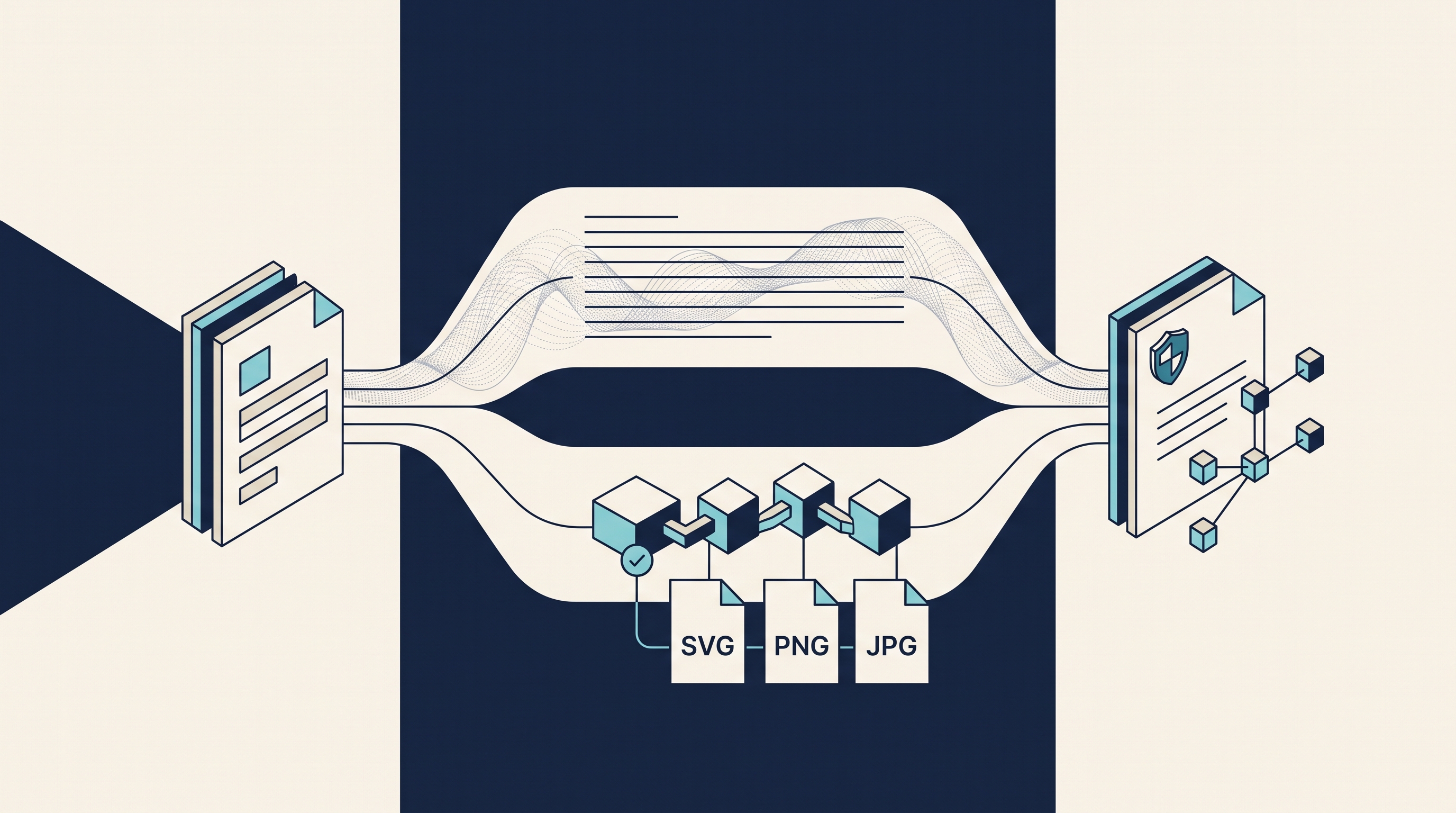
Anthropic has taken a practical step toward making AI output easier to inspect󠇟󠇠󠇡󠇢󠆍󠅧󠄫󠆋󠄳︈󠄩󠆂󠆨󠄞󠇉󠄵󠄤󠄵󠄫︃󠇨︈󠇣󠆒󠆈󠇄󠆜󠅢󠄜󠆎󠅱󠄬󠄱󠆈󠅁󠄽︎󠆯󠆠󠅅󠇕󠆨󠄟󠄦. Supported Claude models will use an imperceptible watermark for generated text󠇟󠇠󠇡󠇢󠄦󠄳󠆕󠆷󠄾󠇆󠅱󠅞󠆶󠆊󠄄󠆎󠅮󠅣󠅝󠇬󠅰󠅅󠄳󠅣󠄼󠇁󠅭󠅃󠇔󠄯󠅺︂󠆌󠆞󠄺󠆔󠆣󠇦󠆼󠇍󠄩󠇭󠄄󠅧. Supported SVG, PNG, and JPG files will carry digitally signed provenance metadata based on the C2PA open standard󠇟󠇠󠇡󠇢󠅱󠆼󠆣󠄆󠅞󠇍󠇛󠄷󠆈󠆾󠄮󠆠󠄓󠄭󠅗󠄡󠆯󠆆󠄨󠅲󠆗󠅒󠄳󠄝︀󠆲󠄦󠆣󠄞󠅭󠆖󠅑󠄡󠅞󠆩󠄕󠆕󠆭󠄭󠅚. The two marks are complementary: the watermark may travel when text is copied, while the C2PA record gives a verifier a signed account attached to a file󠇟󠇠󠇡󠇢󠆰︍󠇘󠄣󠆣󠄂󠄓︍󠅃󠆏󠄥︉󠇀󠆙︄󠆌󠅾󠆇󠇡󠄗󠆄󠅈︇󠅞󠄎󠄻󠆃󠆇󠇌󠆐󠇛󠇊󠅛󠇜󠅤︊󠆑󠆍󠅏󠅔.
This is not a universal Claude detector󠇟󠇠󠇡󠇢󠆃󠄷󠄠󠄸󠆚󠅄󠅭󠄓󠄜󠅩󠅉󠅮󠅄󠆐󠆺󠆵󠄫󠆉󠅮󠄸󠇛󠅘󠇦󠇐󠄖󠄅󠅼󠅞︂󠄷󠄃︃󠆴󠅰󠆫󠆏︂󠅕󠅽󠅺. A positive result means content may have been processed by Claude󠇟󠇠󠇡󠇢󠄠󠇄󠅩󠅧󠅞󠄨󠅝󠄳︃󠅶󠆹󠅖󠅘󠄴󠄽󠇈󠅔󠄶󠆰󠇂󠄹󠄭︇󠆺󠄄󠄘󠆃󠆼󠅿󠅮󠆂󠅀󠄴︊󠄡󠇝󠅸󠅡󠄃󠆐. It does not prove that Claude wrote the underlying work󠇟󠇠󠇡󠇢󠆖󠇄󠇘󠇘󠅯󠆾󠆱󠄔︉󠇨󠅐󠅚󠇔󠇃󠆮󠇜󠅎󠄧󠄆󠇉󠇓︍󠅃󠇐󠆩󠄢󠆇󠅛󠆳󠅜󠆰󠄊󠄢󠆍󠄣󠆋󠆪󠅀󠄳󠇟. A negative result proves nothing by itself󠇟󠇠󠇡󠇢󠄿󠇡󠅅󠆐󠆙󠄍󠇊󠆟󠇁󠄭︅󠄙󠄝󠆮󠆍󠄁󠄖󠆏󠆚󠆓󠄤󠄅󠇦󠄘󠄣󠇪󠇥󠆟󠆅󠇉󠄨󠆂󠆷󠆍󠇤󠄐󠅟󠇄󠄢󠅘.
What Anthropic Announced󠇟󠇠󠇡󠇢︉󠅵󠅱️󠄷󠇇󠇆󠆼󠄌󠆡󠆩󠄼󠄦󠄫󠆟󠄦󠆫󠄛󠅂󠄏󠄓󠅔󠅟󠅆󠆳󠆽󠇧󠆬󠆩️󠄠󠆭󠅥󠄟󠄜󠄪︂󠆇󠆭󠇭
Anthropic's marking guidance, updated August 10, 2026, describes a staged rollout tied to the EU AI Act's transparency rules󠇟󠇠󠇡󠇢󠅮󠆚󠄃󠄜󠇖󠆴󠄽󠇓󠇚󠅄󠅮󠆺󠆄︁󠅪󠄹󠅡󠅨󠅳️󠄋󠆓󠆿󠇩󠆒󠆨󠅕󠆙󠆜󠆼︈󠆮󠇇󠇓󠅄󠄗󠅍󠆡󠇅󠆮.
- Claude models launched in the EU on or after August 2, 2026 support machine-readable marking at launch󠇟󠇠󠇡󠇢󠄶︎󠇨󠆜︅󠅥󠄶󠆼󠆷󠅴󠆾󠇃󠇬󠄄󠅩󠄅󠇬󠆆󠅸󠄅󠇫󠅷󠅣︈󠆖󠆦󠄍󠇐󠅔󠆮󠆀󠄝󠆛󠆙󠄧󠅍󠅲󠄮󠅩󠇛.
- Anthropic says it is adding support to models released before that date󠇟󠇠󠇡󠇢󠄖󠅽󠅓󠄆󠄞󠇈󠄻󠆇󠇋󠇌󠆴󠄆󠄱󠆆󠆟︌󠇤󠅺󠇏󠅛󠄒󠅫󠆥︇󠆩󠄤󠆲󠆡󠇓󠆨󠄷󠇓󠅝󠆝󠆐󠅴󠅖󠅥󠆖󠄔.
- Marks from supported models apply across the Claude API, Claude, Claude Code, Claude Cowork, and Claude Tag󠇟󠇠󠇡󠇢︄󠄕󠆼󠆗󠄑󠆒󠄡󠄪󠇢󠆣󠆴󠄿󠅦󠆧󠄔󠇚󠅥󠆁󠄲󠆬󠆕󠄒󠇘󠆪󠇬󠅂󠆥󠅤󠄖󠅤󠅫󠄏󠇊󠆬󠆸󠆤󠄡󠅉󠆜󠄿.
- Text watermarks also apply through AWS, Google Cloud, and Microsoft Foundry when those services use supported Claude models󠇟󠇠󠇡󠇢󠄉󠆕󠇕︉󠆪︋󠆹󠆻󠇆󠅠󠆢󠇞󠇡󠆟󠄢󠆚󠄾󠆏󠇙󠆱󠆊︎󠇖󠇠󠅰󠆭󠆰󠇁󠅕󠆤󠅨󠆲󠆨󠅫󠆪󠄗󠄯󠅼󠅟󠅑.
- Signed provenance metadata may vary by platform because not every platform supports the same file features󠇟󠇠󠇡󠇢󠄍󠆁󠆣󠇦󠅬󠆗󠅯󠆸󠇍󠅄󠇀󠄉󠄣︆󠇕󠇥󠄓󠆁󠄡󠆠󠇃󠅴󠅸󠆋󠄱󠇃󠆘󠆁󠄳󠆲󠅑󠇃󠅣󠆻󠄟󠄔󠇮󠅸󠇣󠄉.
- The rollout applies wherever Claude is offered, not only in the EU󠇟󠇠󠇡󠇢󠅝󠄬󠄜󠅇󠄪󠄧󠄈󠇃󠇕󠆫󠄟󠆥󠆫󠅑󠄿󠅎󠇕󠄦󠆂󠄉󠆨󠅼󠄎󠄤︊󠄅󠇭󠆀󠄗󠄢󠇌󠇄󠆠󠄃󠆀󠄰󠆠󠆭󠇢󠄶.
Anthropic also signed Section 1 of the EU AI Act's Code of Practice on Transparency of AI-generated Content󠇟󠇠󠇡󠇢󠅡󠅑󠅽󠄮󠆴󠆇󠅚󠆁󠆸󠆫󠄷󠅗󠇉󠆿󠅖︃︆󠇜󠇖︆󠆾󠇉󠇀󠄵󠄙󠄷󠄂󠅳󠇞󠆽󠇇󠄷󠄬󠆀󠆝󠅆󠅤󠆍󠄩󠅘. The European Commission's July 31 signatory list names Anthropic with Google, Meta, Microsoft, Mistral, OpenAI, and other providers󠇟󠇠󠇡󠇢󠆐󠆊󠄠︎󠆰󠇖󠆉󠆔󠅃󠅽󠇗󠆤󠅮󠄙󠅷󠆛󠇯󠇧︈󠇎󠄁󠇫󠇖︀󠄋︀󠆢󠅻󠄯󠄻󠇤󠅁󠇝󠇬󠆌󠆴󠅖󠆚󠇏󠆂. Signing the EU Code is separate from membership in the C2PA coalition󠇟󠇠󠇡󠇢󠄢󠄏󠅇󠇡󠅶󠄝󠅫󠄶󠆚󠆣󠄜󠇗󠇉󠄶󠅅︄󠆽󠄊󠇯󠅧󠅈󠆵󠆟󠅀󠅁󠆇󠄶󠅵󠇗󠄶󠅌󠅝󠄬󠅏󠆔󠅘󠇢󠄖󠆭󠅟. Anthropic's public announcement confirms adoption of the C2PA standard for supported files; it does not make a claim about coalition membership󠇟󠇠󠇡󠇢󠆿󠆈󠄠󠅥󠄵󠇩󠅯󠅄︂󠆺󠆋󠅮󠇘󠆃󠅖󠆫󠅖︃󠆘󠅰󠇣󠅷󠅼󠄽󠆸󠄤󠇪󠆘󠆜󠄵󠇉󠅟󠆔󠅵󠄺󠆤󠇯󠄣󠅾󠆊.
Why Claude Uses Two Marks󠇟󠇠󠇡󠇢︈󠆛󠅷︌󠇗󠇋󠅄󠄸︁󠅼󠅸󠆓󠄞󠅹󠄔󠄈︈󠄛󠇙󠄯󠆟󠅈󠅺󠄦󠄠󠇩󠇦󠄮󠇑󠅻󠇒󠅃󠅥󠄻︊󠇃󠇧󠅢󠅯󠄼
Anthropic is addressing two failure modes that one marking method cannot cover well on its own󠇟󠇠󠇡󠇢󠇉︃󠄡󠄻󠆵󠅶󠄞󠆲󠇮󠇩󠄌󠆀󠅈󠇫󠆏󠄽󠄺󠄰󠇘󠅙󠄻󠄒󠅇󠄰󠆆󠄭󠆓󠆃󠆮󠇔󠅳󠅝󠅷󠅁󠇐󠄕󠇆󠅗󠄯󠆢.
| Marking layer󠇟󠇠󠇡󠇢󠆑󠄊󠅝󠄌󠅈󠄏󠅼󠆘󠅊󠅊󠇧󠆇󠆍󠆽︇︁󠇯󠅊󠅦󠇅󠆼󠆯󠇛󠆂󠅙󠇙󠇀󠅒󠆝󠄶︎︆󠇙󠄡󠆗︆󠆖󠄥󠄺󠇒 | Where it lives󠇟󠇠󠇡󠇢󠇪󠅜︇︎󠅆󠇡󠆖󠇚󠄐󠇑󠆷󠇖󠅵󠄻󠆟󠇌󠆠󠇒󠅾󠆱󠇥󠇇󠆓󠅑󠄱󠅘󠅫󠄊󠅉󠄡︎︀󠅔󠅣󠇭󠇚󠆙󠆱󠇎󠄼 | What it can show󠇟󠇠󠇡󠇢󠅑󠅪󠄓󠅟󠇯󠄽󠇒󠇟󠇆󠄄󠄤󠆀󠆤󠅚󠄵󠆝󠆒󠅩︎󠅅󠄸󠅻󠇅󠄙󠇪󠄹󠅎󠆽︀󠄃󠆲︂󠄦󠆓󠅲󠅍󠆺󠅆󠄏󠄭 | Main limit󠇟󠇠󠇡󠇢󠄽󠆿󠇫󠅲󠅇󠇐󠅭󠄩󠆪󠅕︌󠅻󠄻󠇠󠇇󠅁󠅥󠇛󠇙︉󠅱󠇛󠅜󠅻󠇚󠄯󠄖󠇬󠅀󠅈󠆎󠅑󠆌󠅽󠅌󠇂󠅝󠆗󠅝󠅎 |
|---|---|---|---|
| Embedded text watermark󠇟󠇠󠇡󠇢󠄟󠇊󠅅󠆆󠅸󠄇󠆙󠄑󠄦󠅎󠇎󠇈󠄍󠅫󠅘󠄥󠇉󠅪󠇈󠄎󠄡󠄱󠄐󠆩󠄀󠅢󠆺󠄷󠄞󠅁︂󠆪󠅓󠆫󠇈󠅈󠆆󠅵︁󠆊 | Anthropic has not disclosed the encoding method󠇟󠇠󠇡󠇢󠆖󠇃󠆶󠅢󠅫︈󠆓󠆟󠇇󠅮󠄣󠆻︍󠆙󠅧󠅽󠅱󠅯󠆁󠅳︅󠅘󠇉󠅄󠄭󠆟󠄲󠆷︆󠅩󠄘︁󠅭󠄿󠅨󠇮󠆽󠄺󠄔󠇛 | A detector may find a Claude signal after copy and paste or some editing󠇟󠇠󠇡󠇢󠇘󠅶󠆱󠇡󠇂󠄓󠄚󠇄󠄺󠄝󠆵󠄙︊󠇖󠄬󠆛󠆧󠆖󠇢󠄉󠇝︃󠇇󠇒󠅚󠄍󠄳󠇔󠆠󠅗󠆌󠅖󠅓󠄇󠄒󠅒󠆨󠅨󠆳󠄺 | Heavy editing, paraphrasing, translation, mixing, or short passages can weaken detection󠇟󠇠󠇡󠇢󠆳󠇂󠇧󠆏󠅟󠅅󠆫󠅤󠅊󠆧󠆨󠄚󠄢󠅺󠆟󠇘󠇔󠆿󠆒󠄸󠅬󠆂󠄦󠆿󠆹󠇭︉󠅒󠆻󠆰󠄛󠅁󠄋󠄡󠄸󠆧󠄐󠄽󠆙󠇕 |
| Signed C2PA provenance󠇟󠇠󠇡󠇢󠇦󠄊󠅅󠅴󠄅󠅪󠆕󠅗󠅤󠄿󠅗󠅕󠆫󠄴󠅋󠆄󠆑󠄫󠆊󠅕󠅕︉󠅳󠅪󠄕󠇎󠄽󠅏󠄟󠇂󠆛󠅗󠆑󠆾󠇀󠆍󠄆󠇁︂󠅆 | In metadata attached to a supported file󠇟󠇠󠇡󠇢󠅹󠅥󠅍️︆󠅹󠄟󠄫󠄫󠆐󠆾󠅛󠆆󠄇󠆢󠆁󠅒󠆟󠆓󠅁󠆎󠄋󠄫󠄡󠇆󠄌󠄴󠄓󠄩︁󠇬󠅱󠇇󠅷󠅜󠆕󠆱󠇉󠅣︃ | A verifier can inspect a signed claim and test whether covered file data changed󠇟󠇠󠇡󠇢󠄙󠇐󠄫󠅈󠅺󠅸︆︃󠅱󠆔󠄎󠄴󠄻󠇕󠅌󠅕󠇗󠄁󠇘󠆽󠇞󠆯󠄈󠇛󠆗󠄠󠆋󠅫󠅕󠅲󠅹󠇊󠆭󠆓󠄹󠇓󠇊󠄻󠅤󠆖 | Re-saving, conversion, screenshots, or other processing can strip the metadata󠇟󠇠󠇡󠇢󠆻󠅻󠅸󠅐󠅘󠅩󠅙󠅴︂󠅱󠇣󠆒󠅄󠄽󠆺󠇭󠄉󠄮󠆭󠅇󠄐󠇟󠄥󠇬󠆡︂󠆍󠅝󠆣󠇔󠆲󠇅󠇊󠅤󠅀󠄣󠅷󠇇󠅂󠆟 |
The text watermark is a signal that may survive outside the original Claude interface󠇟󠇠󠇡󠇢󠇯󠅃󠆽󠅥󠆁󠆷󠇂󠇐󠅄󠆮󠅧󠄗󠆾󠄰󠇥󠇭󠇐󠅲󠆼󠄽󠇢󠅬󠆹󠄽󠆵󠄄󠅜󠇉󠄨󠇌󠆍󠇍󠅌󠄹󠇔︉󠇉󠆃󠇠󠄗. Anthropic says it does not change the meaning, quality, or readability of the response󠇟󠇠󠇡󠇢󠇯󠆏󠇚󠅲󠇎󠇍󠇡󠆰󠆟󠇑󠅡󠄾󠅆󠅐󠅨󠅧󠇛󠅀󠄃󠅲󠅥󠄉󠆧󠆋󠇗󠇫󠇕󠄩󠄺󠇟󠅥󠇍󠆕󠇢󠆧󠆽󠇩󠅦󠅄󠄓. The company has not yet published the detector or the technical details needed for independent robustness testing󠇟󠇠󠇡󠇢󠄼󠄔󠅈󠅋󠆨󠄍󠅡󠆛󠆝︀󠅡󠅜󠄋󠇧󠅖󠆭󠅺︂󠆯️︆︎︃󠄇󠇎󠆹󠅂󠆚󠄠󠆳󠆌︀󠇫󠇕󠅺󠄙󠄙󠇡󠇨󠆚.
C2PA provenance works differently󠇟󠇠󠇡󠇢󠇗󠅆󠆃󠆳︃󠅔󠆶󠇊󠆾󠇅󠅂󠇟󠄆󠆩󠄙󠄪󠅃󠅃󠅇󠄖󠄄󠆟󠄯󠅉󠇟󠅦󠅹󠅔󠅰󠆧󠅝󠄫󠄴󠅻󠅠󠆮󠄓󠆸󠆑󠅢. A C2PA manifest is a signed set of assertions bound to an asset󠇟󠇠󠇡󠇢󠅑󠄏󠆳󠅯󠇐󠇖󠄰󠆁󠄨󠅮󠄌︊󠅍󠆘󠄨󠆛󠅮󠆹󠇌󠇖󠅀︇󠅮󠄁󠅾󠄮󠇒󠆑󠄂󠇪󠆐󠅋󠅿󠆦󠅎󠆟󠄄󠆸︍󠅟. The C2PA 2.4 specification defines the system as a way to store cryptographically verifiable information and use digital signatures for tamper evidence and trust󠇟󠇠󠇡󠇢︀󠇋󠄇󠆅󠆓󠄌󠇕󠇁︌󠄆󠄡󠅦︋󠆰󠆎󠅮󠅦󠇨󠆕󠅁󠅚󠇅󠆸󠄵󠆋󠇃󠆻󠄛󠄺󠇜󠆙󠇍󠄥󠇋󠆔󠆇󠇩󠅤󠄷󠅱. A verifier can check the signature, the signer credential, the assertions, and the binding to the file󠇟󠇠󠇡󠇢󠅤󠆉󠆽󠆱󠅇󠇓󠄍󠅩󠄻󠇎󠆙󠇃󠄕󠅢󠄸󠅿️󠅒󠆿󠅸󠆶󠆚︎󠇦󠄫󠄺󠄗󠅈︋󠇃󠆏󠆜󠅪󠅹󠅶󠆂󠅬󠇀󠅑󠄯. That signed record carries more context than a binary watermark result, but it remains useful only while the manifest can be found and validated󠇟󠇠󠇡󠇢󠅙󠆁󠄔󠇝󠆁󠇡󠄏󠄟󠆖󠄿󠄇󠅔󠅖󠄉︊󠇙󠆈󠆹󠆢󠇁󠇬󠆰󠅠󠅉󠆎︍󠄠󠆋󠅉󠅵󠄨󠅃󠅦󠇜󠄠󠄡󠄳󠄥󠆛󠅹.
What Claude's Text Watermark Probably Is󠇟󠇠󠇡󠇢︌󠇮󠄯󠆦󠆆󠇂󠆡󠆼󠅮󠇃󠆖󠅈󠇦󠄎󠆧︁󠇂󠆽󠇧󠆫󠆘󠄂󠆙󠇤󠄂󠅑󠄬󠅛󠄊󠆣󠆾󠇁󠅯︆󠄫󠄝󠇆󠇀󠄣󠄣
Anthropic has not published enough technical detail to classify its text watermark󠇟󠇠󠇡󠇢󠆈󠄠󠄵󠄮󠅚󠅣󠅹󠅅󠇥︅󠆶︅󠅧󠇈󠅯󠅈󠄷󠇝󠄁󠅸󠄍󠇯󠆭󠄀󠅕󠄭󠆧󠆝󠆺󠅡󠄯󠆛󠆎󠅾󠄙󠆨󠄚︅󠅜󠅮. Its guidance says only that the mark is imperceptible, embedded at the model level, carried with copied text, and detectable through a forthcoming mechanism󠇟󠇠󠇡󠇢󠄍󠄳󠅺󠅮󠆆󠄧󠆕󠄎󠄑󠄋󠅳󠆆󠅎󠆵󠅣󠇢󠇟󠅶󠅯󠄣󠅻󠇬󠆋󠅓󠄾󠇃󠆳󠆱󠇇󠆓󠅕󠆭󠄋󠅌󠄟󠆙︃󠄝󠇩︊. Calling it semantic, linguistic, tokenizer-based, or a modified version of another system would go beyond the evidence󠇟󠇠󠇡󠇢󠇙󠇡󠅄󠅇󠄝󠆏󠆎󠇫󠄽󠅅󠇗󠅺󠆜󠄻󠄖󠇝󠇮󠆙󠇒󠇮󠆰󠄔󠅟󠇅󠅸󠄒︆󠅦󠅇󠆀󠆳󠄰󠅩󠄺󠇞󠄣󠅙󠆽󠇛󠆯.
The public description is consistent with a family of generation-time statistical watermarks󠇟󠇠󠇡󠇢󠄸󠅅󠄅󠆸󠆜󠇀󠄨︈󠆵󠄓󠆀󠆢󠄛󠆖󠇪󠅤󠅰󠅅󠅵󠆑󠅓󠅼󠄎󠆟󠇢󠇔󠆗󠅡󠄵󠆘󠇭󠆔󠅬󠄜󠆒︁󠄐󠇖󠆳󠅖. These systems influence token selection so generated text contains a keyed pattern that a detector can score later󠇟󠇠󠇡󠇢󠆠󠄤󠆊󠆁󠅤󠇁󠇧󠄼󠄍󠄞󠄏󠄯󠅩󠆘󠅛󠆊󠅣󠅔󠄉󠆾󠆲󠇍󠄣󠇘󠅆󠇖󠄯󠅻󠅆󠅪󠆂󠆡󠆷󠆡󠅽󠅵󠄤󠆀󠅕󠄂. Google DeepMind's SynthID Text documentation provides a useful public example󠇟󠇠󠇡󠇢󠆰󠄜󠅔󠄒󠆋󠆥󠇏󠆠󠅱󠇗󠄸󠅘󠇈󠇔󠇮󠅷󠇯󠄺󠄙︌󠅏󠇆󠅨󠄔󠆽󠅊󠄟󠄭󠇘󠄱󠄟󠆥󠆠󠅣󠅴󠆶󠄣󠇋󠆿󠆭. SynthID does not replace or modify the tokenizer󠇟󠇠󠇡󠇢󠆵󠆌󠇜󠇯󠅋󠅚󠆍󠆙󠅇󠆷󠆩󠅣󠆆󠅵󠄊󠇛︍︍󠅩󠅳󠇩󠆵️󠅻󠄫󠆲󠇓󠆣󠇝󠆙󠆪󠇕󠅑󠇚󠆭󠄾󠆶󠅞󠆙󠅮. It applies a logits processor after Top-K and Top-P sampling, uses a pseudorandom function to alter token probabilities, and then uses a probabilistic detector to classify text as watermarked, not watermarked, or uncertain󠇟󠇠󠇡󠇢󠅎󠅸󠆓󠅻󠅺󠄾󠅗󠅘󠇬󠇤󠇧󠆖󠆱󠅱󠅠󠅑󠄣︋󠅭󠆔︍󠆥󠆉󠇡󠅙󠆙󠅞󠇆󠄎󠅣󠄥󠅯󠅳󠄥󠆾󠅖󠇦󠄗󠄍󠅱.
Claude may use a related design, a linguistic or semantic watermark, or a different method󠇟󠇠󠇡󠇢󠄌󠆯︁󠄂󠄛󠇘󠄖󠄋󠅔󠆵󠄝󠅇󠇥󠆚󠇖󠄸󠆫󠅀󠇈󠄞󠇧󠅫󠅉󠇮󠅽󠄞󠅳󠇎󠄘󠆋︇󠅗󠅭󠆽󠄉󠇏󠇈󠅺󠄑󠅪. Until Anthropic publishes its generation and detection details, the comparison is an informed hypothesis, not a fact󠇟󠇠󠇡󠇢󠆷󠅜︉󠆶󠄗󠇓󠆸󠅍󠄲󠅎󠄁󠅁󠄖󠄅󠄟󠇋󠆕󠄠󠄑󠄭󠆀󠇫󠄝︍󠇖󠅹󠅝󠇇󠄊󠇀󠅢󠅯󠅚󠅇󠄭󠆡󠆃󠄞󠆃󠇑. The questions that would resolve it are concrete: Does Claude alter logits or sampling󠇟󠇠󠇡󠇢󠇆󠆅󠅐󠄜󠄅󠅘󠄆󠆖󠇓󠅩󠆚󠄨󠅮󠆦󠆏󠆲󠅠︂󠇍󠇙󠆀󠆶󠇌󠅌󠄬󠄛󠆦󠆦󠆃󠄆󠇗󠅌󠄘󠇇󠄲︂󠅇󠄙󠅒󠄵? Does detection depend on a secret key and tokenizer󠇟󠇠󠇡󠇢󠅉󠇠󠇃󠆝󠅬󠅇󠄑󠅶󠄥󠆉󠆻󠆌󠅞󠇎󠅤︋󠇘󠄷󠅀󠆦󠄎󠅋󠆌󠄴󠅑󠇯︉󠆆󠅕󠅊󠅂󠅻󠄠󠆩󠅰󠅶󠄈󠆶︃︎? Is the mark single-bit or multi-bit󠇟󠇠󠇡󠇢󠅖󠄥󠄣󠅜󠄕󠄆󠆅󠅍󠄽󠄃󠇁󠅎󠅺󠄿󠆰󠅤󠄹󠇯󠅒󠆦󠆫󠆍󠄩󠅊󠆑󠇫󠆏󠇗󠇐󠆉︆󠇉󠇊󠄭󠇝󠅀󠅬︅󠆦󠅑? What false-positive and false-negative rates apply at each passage length󠇟󠇠󠇡󠇢󠇔󠅰󠇐󠇢󠄁󠄁󠅀󠆴󠄛󠅳󠅖󠄳󠇑󠇆󠆕󠆏󠅌󠇧󠇚󠆋󠆻󠆯󠆁󠇖󠄞󠄇󠄹󠅧󠅳󠇭󠅂󠄏󠆉󠅐󠆆󠅈󠇍󠄭󠆔󠇬? How does the method behave under deterministic decoding, temperature changes, translation, and paraphrasing󠇟󠇠󠇡󠇢󠄟󠅄︉󠅃󠅓󠄣󠆹󠅋󠄁󠆣󠆦󠇆󠇡︌󠆕󠄪󠇌󠅭󠅟︆󠅒󠄷󠇑︃󠄂󠅡󠅊󠆲󠇉󠄕󠆰󠆮󠅄󠄮󠇓󠆐󠅾︊󠆀︈?
Statistical Watermarking and Deterministic Provenance Solve Different Problems󠇟󠇠󠇡󠇢󠄒󠆊󠄺󠅟󠆠󠄑󠄅󠄄󠆥󠄲󠄯󠆵󠆎󠅟󠅐󠄲󠇟󠆵󠆻󠆵󠄺󠅇󠄿󠅑󠄉󠆱󠆶󠄬󠇜󠆵󠅔󠇠󠅂󠇉󠅢󠅉󠇁󠄅󠅷󠆨
Encypher's text provenance does not infer authorship from linguistic patterns󠇟󠇠󠇡󠇢󠄤󠄸󠆯︆󠅩︅󠄗󠄢︉󠆅󠇤󠆜󠇫󠅺󠅿󠄛󠅅󠆪󠅆󠅒󠇗󠅰󠄻󠅺󠆙󠄤︂︆󠄼󠆥︂󠄴󠇄󠄍󠇙󠇐󠄛󠄤󠄍󠄔. It embeds a cryptographically signed C2PA manifest into text using deterministic Unicode encoding󠇟󠇠󠇡󠇢󠄊󠆦󠆐󠆜󠇦󠆯󠇝󠆹󠆫󠆴󠆧󠅦󠅵󠅛󠅏󠄑󠇛󠄣󠅎󠅻󠄞󠇃󠆢󠆼󠄎󠄅󠄓󠄠󠆕󠅉󠄰󠅒󠆽󠄨󠅰󠅘󠅊󠇮󠇝󠇯. The same manifest produces the same embedded sequence, and verification checks the signature and its binding to the content󠇟󠇠󠇡󠇢󠆦󠅢󠆋󠅫󠆱󠆏󠆑󠄍󠄥󠅳󠆁󠇀󠄯󠆤󠅎󠆵󠇘󠇓󠆳󠅐󠅚󠅠󠆆󠄡󠇯󠇉󠇠︍󠇃󠅩󠅆󠇑󠇊󠆭︍󠅽󠄸󠅛󠇘󠇎. For marked content, the result is a cryptographic pass or fail, not a probability score󠇟󠇠󠇡󠇢󠇔󠅢󠄵󠅥󠅉󠄅󠇤󠅠󠄃󠅁󠆖󠆎󠄂󠅝︂󠆕󠅀󠅬︄󠆚󠇃󠄼󠅻󠆽󠅙󠅚󠇎󠆛󠇈󠆿󠇧󠄿󠆌󠇔󠇁󠆛󠄱󠆰󠅥󠆨.
Encypher also adds proprietary sentence-level attribution above C2PA's document-level provenance󠇟󠇠󠇡󠇢󠇤󠄦󠆚︉󠄶󠆋󠇠󠆘󠆲󠄜󠅙󠄛󠆟󠄚󠄙󠇭󠇃󠇊󠄢󠅝󠅐󠆳󠆯󠄣󠆂󠄗󠆠︂󠅣󠅖󠆉󠄑󠄄󠆗󠄐󠄀󠅻󠆊󠇫󠆓. A passage extracted from a larger work can retain its own provenance pointer, and a mixed document can identify which signed sentences remain intact󠇟󠇠󠇡󠇢󠆕󠄆︌󠄳󠆐󠄿󠇦󠆰󠇂󠆣󠄠󠅥󠅏󠅁󠅴󠅣󠅼󠄎󠅭󠅍󠅰󠇘󠅼󠇎󠇢󠄿󠆦󠆱󠅶󠇦󠆟󠅈󠆽󠆪󠇯󠄟󠅁󠆗󠆎󠇢. The document-level manifest remains compatible with C2PA verification; the granular layer resolves through Encypher's infrastructure󠇟󠇠󠇡󠇢︅󠇆󠆬󠆂󠆮󠅶󠄘󠅫󠄃︂󠆎󠆱󠇪󠆞󠆉󠇧󠄽󠅔󠆾󠆾󠄱󠇌󠆻󠇬󠇐󠄏󠆨󠇦︍󠆾󠆸󠇑󠅾󠅌󠆠󠇮󠄂︈󠆹󠅥.
| Property󠇟󠇠󠇡󠇢󠆥󠅩󠄯󠆷󠅒︊󠆺󠆫󠆌󠅡󠆖󠇖󠆂󠄃󠆎󠄂󠅷󠄲󠄻󠇜󠅯󠆌󠄖󠇎󠆧󠆙󠇢󠇦󠆭󠆥󠆦󠇆󠅲󠅟󠅆󠇌󠄐󠅸󠅫󠄢 | Claude text watermark󠇟󠇠󠇡󠇢󠅜󠇜󠄑󠆭󠄹󠇁󠄗󠆭󠇟󠆀󠅝󠅰󠄴󠆒󠇕󠇀󠅑󠄢󠆦󠄻󠅫󠇅󠄻︀󠇭󠇋︋󠅹︆󠄿︈󠄶︎󠇆󠇣󠅤󠄫︃󠆶󠄆 | Encypher text provenance󠇟󠇠󠇡󠇢󠅖󠇐󠆜󠄜󠆇󠆉󠅃︌󠄊︆󠅁󠄢󠅵󠇫󠄅󠇎󠆛󠄨󠅎󠅱󠄿󠆪󠅕󠆤󠅩󠅯󠇜󠆀󠆺󠅾󠇙󠄲󠅴󠄹󠆫󠆧󠆣󠇚󠆈󠅐 |
|---|---|---|
| Publicly disclosed method󠇟󠇠󠇡󠇢󠄇󠇂󠅂󠄈󠆶󠅻󠆵󠆸󠆔󠄛󠆗󠄙︆󠅞󠄽󠇌󠅌󠆌󠄪󠆓󠄸󠆻󠇇󠆙󠆲󠄼󠄆󠇒︉󠅏󠆥󠄴󠄖󠄨󠆆󠅽󠆰󠄕󠇎󠅠 | Not yet disclosed󠇟󠇠󠇡󠇢󠇜󠆄󠇅󠆟󠆥󠅇󠇐󠄁󠆋󠄐󠆸󠆲󠆊󠄽︁󠅖󠆨󠅢󠄒󠆆󠄉󠄏󠅸󠇊󠅘󠆣󠆺󠇦󠅮󠅋󠄨󠄂󠄒󠅓󠆁󠄉󠆻󠅌︎󠅲 | Deterministic Unicode embedding plus cryptographic signatures󠇟󠇠󠇡󠇢󠄋󠆵󠆻󠅫︆󠅾󠄪󠆆󠆁︅󠆞󠅭󠅰󠄸󠄟󠅛󠄿󠆓󠅗󠄿󠅙󠆷󠆅󠆐󠇆󠄣󠅗󠇩󠄕󠆽󠅼󠅴󠄡󠇡󠄱󠅅󠇮󠆝󠆒󠅐 |
| Verification result󠇟󠇠󠇡󠇢󠇕󠅅󠆯󠅳󠄭󠅊󠄓󠅢󠆮󠅵󠅵󠆧󠆔󠄋󠅖󠄈󠆄󠆻󠅀󠅝󠆎󠄞󠄇󠄵󠆣󠆧󠇨󠄜󠆘󠆪󠆰󠄏󠇮󠆑󠅉󠅢󠄔󠅻󠇗󠇃 | Anthropic says detection indicates content may have been processed by Claude󠇟󠇠󠇡󠇢󠄦󠆄󠇨󠇙󠅙󠅳󠆙󠄆󠄵󠆟󠅸󠅟︂󠄁󠆻󠆲󠆜󠄰󠆤󠅳󠇣󠅽󠆵󠄑󠅼󠇚󠅄󠄂󠇅󠇖󠆖󠅰󠇀󠅩󠆹󠅦󠆇︈󠅿󠅳 | Signature and content binding pass or fail for marked content󠇟󠇠󠇡󠇢󠅑󠄛󠄤󠄋󠆠󠄔󠆊󠇈︄󠆍󠇣󠆖󠄼󠄱︇󠅦󠅁󠄏󠆗󠆂󠅿󠄕󠄫󠆉󠄕󠆺󠆉󠇁󠄲󠅾󠅞󠅠󠅑󠆛󠆓󠅜󠄯󠆼󠆛󠅈 |
| Granularity󠇟󠇠󠇡󠇢󠅹󠄀󠆆󠅐󠇣󠅗󠅁󠇬󠅮︅󠆧󠄬︃󠄭󠆑󠄑󠄛󠇃󠅌󠅯󠅫󠆙󠄔󠄒󠆛󠅳󠄍󠅌󠆍󠇮󠅙󠄬󠄧󠆞󠄺󠅦󠄇󠅫󠇍󠅌 | Not yet disclosed󠇟󠇠󠇡󠇢󠆦󠅌󠅞󠅴󠆳󠄼󠄀󠇯󠇮󠇚󠅛󠇊︃󠄕󠇊󠆁󠅣󠄏󠄊󠇔󠆨󠅲󠄐󠇜󠄼󠇗󠅑󠇆󠄹󠇬󠅪󠆝󠆲󠇙󠅪󠆹󠅠󠆆󠇣󠄯 | Document-level C2PA provenance plus proprietary sentence-level attribution󠇟󠇠󠇡󠇢󠅠󠅹︅󠅯󠆤󠅱󠄸󠄀󠅻󠆬󠅄󠄔󠆌󠇎󠇣︆︁󠆹󠆊󠅢󠆿󠅗󠇡󠇨󠅧󠆭︊󠄼󠄷󠅭󠆲󠄟󠄵󠇕󠆏󠆗󠄌󠇉󠅛󠇢 |
| What changes during generation󠇟󠇠󠇡󠇢󠅱󠅖󠇍󠅀󠄙󠇑󠆹󠄛󠆁󠅏󠇔󠅎󠅍󠆛󠆍󠅖󠅕󠅤󠄠󠄿︍󠅁󠅇󠅀󠄔󠄘󠄶󠄩󠆈󠆈󠇇󠅂󠄙󠄹󠄴󠆅󠇘󠆿︃󠅟 | Not yet disclosed; a statistical token-selection method is plausible󠇟󠇠󠇡󠇢󠆋󠄍󠇑󠄤󠄥󠅓󠄤󠄤󠅕󠆆󠇒󠄸󠅧󠅐︁󠅥󠇦󠆉󠇠󠄣󠅤󠄳󠆱󠄂︈󠄍󠅐󠆳󠆱󠄢󠅐󠅒󠇢󠅙󠆑󠇅󠅦󠆌󠇢󠆷 | Nothing in model sampling; provenance is embedded into the completed or streamed text󠇟󠇠󠇡󠇢︈󠄷︄󠄂󠆄󠅟󠄱󠆛󠄊󠆓󠅎󠅴󠇄󠄺󠆛󠇌󠆜󠇀󠇧󠄛󠅻󠆙󠅗󠆧󠆴󠅹󠅋󠅅󠇡󠇧󠆳󠆐󠅅󠄢󠅑󠅀󠅖󠆩󠄷󠅨 |
| C2PA relationship󠇟󠇠󠇡󠇢󠅘󠄻󠅪󠇟󠆗󠇑󠅳︃󠄢󠅫󠆣󠆁󠇀󠆉󠆜󠇀󠅈󠇕󠆊󠆇󠄰󠅵󠇎︄󠇄󠅝󠅸󠄫󠇕󠅈󠅛󠆚󠆼󠅞󠄏󠆐󠄬󠆩󠅊󠄥 | Separate text watermark; C2PA metadata is used for supported files󠇟󠇠󠇡󠇢󠅏󠆗󠅐󠆼󠅯󠆍󠆮󠅒󠅽󠄻󠄃󠄨󠅛󠆥󠇞󠇛󠅲󠇮󠅅󠄊󠇝︂󠅊󠅎󠄛󠄠󠅂󠅑󠆆󠆆󠅅󠇗︅󠅃󠄀󠄾󠄇󠇈󠇢󠄛 | C2PA-compatible text embedding with a granular provenance extension󠇟󠇠󠇡󠇢󠆞󠆷󠇉󠄳󠆀󠆮󠆌󠅗󠄂󠇆︁󠆈󠅵󠄟󠅊︆󠇭󠅐︋󠅍󠆡󠇖󠆥󠅬󠅑󠇋󠇢󠅩󠄟󠅴󠄶󠆢󠄩󠅮󠅷󠅟󠆷󠄪󠆋󠅯 |
This is not a claim that deterministic provenance survives every rewrite󠇟󠇠󠇡󠇢︆󠆃󠆸󠇟󠅄󠆭󠄺󠇤󠇤󠆕󠆷󠅙󠄪󠇂󠆡󠅩󠆀󠅃󠄱󠄥󠆙󠅿󠅎󠇌󠇭󠄮󠆵󠄺󠅤󠄿󠅁󠅴󠆈󠄪󠆕󠅆󠇋󠅸󠆊󠄃. If the signed words or embedded sequence are removed, exact verification can fail󠇟󠇠󠇡󠇢󠆿󠅌󠄝󠆽󠆃󠅼󠄎󠅻󠄲󠆵󠅿󠆔󠄽󠆃󠄈󠇩󠄏󠅞󠇅󠆼󠄑󠅖󠆲󠆝󠅑󠅏󠄁󠅮󠅕󠄢󠅥󠅇󠇬󠅐󠅽︉󠄹󠄪󠇇󠆢. The tradeoff is explicit: statistical watermarking may retain a weak signal through some edits, while cryptographic provenance can make a stronger and more specific claim about content that retains its signed evidence󠇟󠇠󠇡󠇢󠅉󠆘󠆔︍󠇙󠅲󠄀󠆅︂󠅐󠇊󠆲󠆖󠆗󠇡󠇓󠆼󠄊󠇯󠄴󠄽󠅪󠄁󠆫󠄌󠇤󠆯︇󠄴︊󠆇󠆾󠄊󠅯󠄓󠅉󠇗󠅟󠅬󠅳. A layered system can use both󠇟󠇠󠇡󠇢󠇔󠆇󠆳󠅍󠄪󠅤︊󠆃󠄰󠇨󠇒󠅝󠄁󠄮󠄴󠆚󠅠󠅔󠇭󠇂󠅎󠄇󠆩︇󠇏󠄔󠇐󠇎󠅓󠆃󠇞󠅝󠅯󠄠︋󠇠󠇀󠄇󠄖󠇓.
What a Claude Mark Proves, and What It Does Not󠇟󠇠󠇡󠇢󠇣󠇣󠇦︎󠄤󠇙󠄧󠅂󠄆󠄻󠆤󠆺󠅕󠅒󠆓󠆀󠄄󠅔󠅧󠄩󠄇︀󠇨󠇉󠅯󠄼󠇖󠆼󠆪󠄚󠄹󠇦󠄁󠇈︈󠇎󠄭󠆲󠆒󠄛
A marking system is useful only when the result is stated with care󠇟󠇠󠇡󠇢󠇯󠆭︀󠆵󠄬󠅫󠇒󠆶󠆍󠇑󠅨󠆰󠄫󠆨󠅰󠇘󠇜󠄽󠆗󠇂󠆰󠄯󠄇󠇯︋󠄖󠅙󠅕︁󠄀󠄮󠅏󠆗󠆯󠅯󠅝󠅕️󠄦️.
A detected Claude mark can indicate that Claude processed the content󠇟󠇠󠇡󠇢󠆪󠅭󠄖󠅷󠇉󠅅󠆧󠇌󠄋󠄹󠄠󠇮󠄣󠇜󠅻󠅧󠅊󠄳󠇉󠇛󠆰󠄟󠆺󠆠󠄠󠄁󠆍󠄴󠆿󠄪󠆅󠇃󠆕︋󠇌󠅃󠆔󠄭󠆾󠆭. That covers more than original generation󠇟󠇠󠇡󠇢󠄻󠅿󠄹󠄽󠆘󠄌󠅚󠆧󠆇󠇨󠆺󠅐󠅡󠄲󠇈󠆢󠄓󠇈󠆬󠅠󠄂󠇧︃󠄈󠄫󠆃󠅣󠆇󠆤︂󠆘󠄳󠇇󠅑󠆎󠆝󠅙󠅱󠇝󠅝. A person may ask Claude to proofread a report, translate an article, summarize a source, convert a graphic, or re-save a file󠇟󠇠󠇡󠇢󠆣󠆣󠇥︀󠆝󠄀󠄞󠇇󠅦󠇔󠆝󠇐󠆮󠄟󠅒󠅧󠇋󠆦󠅄󠄉󠄕󠄡󠅢󠄯󠆽󠄀󠅋󠆜󠄐󠆢󠅹󠅐︆󠄄󠆒󠅆󠇉󠇂︊󠄕. The resulting text or file can carry a Claude mark even though the ideas, words, data, or design began elsewhere󠇟󠇠󠇡󠇢󠅣󠇔󠅘󠇋︊󠅻󠇬󠄃󠆆󠆈󠆨󠆙󠆧󠆧󠇤󠇏󠅂󠆰󠄰󠇣󠇪󠅝󠆹󠅓󠄻󠇕󠅹󠅯󠆜󠇚󠄲󠇮󠆃󠇠󠅁󠇨󠇑󠅚󠇖󠅗.
A mark also does not freeze the content at the moment Claude handled it󠇟󠇠󠇡󠇢󠆟󠅊󠅺󠄞️󠅿󠄴︈󠆱󠄛󠇣󠄻󠄶󠅲󠇠󠅉󠆒󠇎󠄶󠇡󠆤󠆵󠅘󠄈󠇋󠅀󠅱󠆯󠆐󠅃󠅲󠅍󠆊󠆀󠇒󠄮󠇛󠅣︂󠆭. Text can be excerpted or mixed with other work󠇟󠇠󠇡󠇢󠅊󠄛󠇛󠄽󠄙󠆕󠅎󠆔󠄩󠆷󠄵󠇩󠄋󠇋󠇀󠆤󠅎︋󠅈󠇄󠆷󠆯󠆬󠄠󠇔󠅘󠇒󠆸󠆢󠆔󠇤󠆍󠇡󠆩󠆑󠆨󠅛󠄪󠆫︈. A file can be edited after its Claude step󠇟󠇠󠇡󠇢󠅝󠄴󠇚󠄲󠇮󠅝󠇉󠄟󠅯󠆜󠆐󠅔󠄈󠅷󠅿󠆒󠅜󠄺󠄭󠅝󠄭󠇥󠆍󠆛󠆰󠇅󠄍󠅊󠆁󠄕󠆼󠄭󠇚󠄼󠇘󠇓󠇞󠇢󠅋󠄤. C2PA can provide tamper evidence for the data covered by the signed manifest, but it does not decide whether the claims are true󠇟󠇠󠇡󠇢󠄵󠅺󠇨󠅰︄󠅨︌󠄉󠆉󠇮︂󠇀󠆤󠅇󠆻󠅷󠇥󠅺󠇑󠅾󠄺󠇮󠅾︍󠇑󠅧󠇏󠆵󠇓󠄏󠇐󠆾󠆳󠆘󠅓󠅈󠆍󠄇󠆦󠇁. The C2PA specification says the system should not judge provenance data as good or bad; it checks whether assertions are associated with the asset, correctly formed, and free from tampering󠇟󠇠󠇡󠇢󠆆󠇄󠅽󠅡󠅌󠄖󠅅󠄙󠇓󠆊󠄸󠅕󠄵󠅋󠅚󠄌󠅊󠄀󠇯󠅱󠆜󠄋󠅩󠄩󠇞󠆄︆󠆣󠅉󠅨󠇫󠅢󠆨󠆸󠇏󠄲󠄰󠆛󠄒︄.
The reverse inference fails too󠇟󠇠󠇡󠇢󠄰󠇠󠆔󠄱󠅂󠇩󠄈󠇤󠅴︊󠄸󠇆󠅠󠄭󠆕󠄚󠆯󠄵󠅘󠄋󠆄󠅞󠆟󠅆󠇤󠄯󠄁󠄠󠄒󠄾󠅉󠆥󠆟󠄣󠄅󠆉󠅯󠇌󠄢󠆑. No detected mark does not mean human-made󠇟󠇠󠇡󠇢󠆲󠅻󠆰󠆫󠄇󠆦󠇥󠄿󠆥󠄖󠇓󠆶󠅮󠇟󠇪󠆺󠆑󠄬󠅹󠆮󠅩󠄃󠆤󠆡️︇󠅔󠇩󠅊󠆓󠆓󠆉󠅆󠄜󠅤󠅚󠄾󠆆󠄥󠄔. Anthropic lists five reasons a Claude mark may be absent:󠇟󠇠󠇡󠇢󠆔󠄪󠄁󠆯󠆰󠅻󠇑︉󠅩󠄞󠅳󠆲󠆛󠅗󠅶󠆯󠇣󠅿󠇨󠄶󠄚󠄤󠅪󠇫󠅰󠄱󠄃󠇥󠅅󠅷󠆚󠄏󠅟󠄼󠄦️󠄠︋󠅇󠄋
- The model predates marking support󠇟󠇠󠇡󠇢󠄄󠆭󠅋󠆾󠇐󠆬󠄲󠆤󠇀󠆵󠆱󠇌󠄏󠆣󠆅󠄄󠆸󠅢󠄀󠄰󠅝󠆩󠇕󠆛󠄪󠅑󠅞󠅛󠅭󠅾󠄉︆󠄒󠄥󠅮󠆞󠆆󠄴󠅂󠄦.
- The text was heavily edited, paraphrased, translated, or mixed with other writing󠇟󠇠󠇡󠇢󠄡󠅳󠄻󠅏󠅃󠄥️󠅔󠆁󠇗󠅏󠄾󠄦󠅶󠇤󠆁󠅶󠇊󠅵󠄠󠄌󠆸󠆮󠅾󠆕󠆂󠇬󠅷󠇧󠅵󠆎󠅄󠄒󠅀󠅹󠇜󠄶︆󠆵󠅢.
- The passage is too short for a reliable text signal󠇟󠇠󠇡󠇢󠅂󠄶︇󠅷󠅐󠅎󠄥󠄏󠄂︁󠅲󠆄󠅸󠅱󠇈󠄋󠆵󠄮󠅮󠇝󠅖󠄲󠇤󠄹󠅚󠅁︊󠇒󠆪󠇭󠅂󠄦󠅿󠅓󠄳󠄧︀󠄗󠄎󠇟.
- File conversion, re-saving, or a screenshot removed provenance metadata󠇟󠇠󠇡󠇢󠆥󠇡󠅕󠅉󠄡󠇏󠄔󠅇󠅩️︆󠆞󠅜󠅅󠅱󠅞󠆸󠄒󠄫︋󠄐󠄞󠅎󠅨󠇃󠆈󠅔󠇌󠅘󠆔󠇊󠇚󠅁󠅃󠇕󠇔󠇘󠆉󠅷󠇕.
- The platform, feature, or file type did not support that marking method󠇟󠇠󠇡󠇢󠅯󠆬󠄺󠆌︂󠄣󠅑︎󠅎󠄤️󠆅󠇝󠄑󠅬󠆓󠅷󠄶󠅡󠄙󠄝󠄪󠅴󠅜󠅐󠅳󠄓󠅣󠅄󠄳󠆨󠅒󠄹󠆆󠆏󠄬󠄀󠆠󠇌󠆠.
This distinction should shape every detector result, user label, audit record, and content policy󠇟󠇠󠇡󠇢󠄙󠅜󠄰󠅹󠆸󠄬󠄍󠅂︎󠅥󠆷󠇦󠄠󠄦󠆃󠅕󠇕󠄖󠅪︁󠅘󠅭󠄰󠅸󠅡󠄹󠄚󠄬󠇮󠆼󠅈󠄞󠄐󠆊󠅷󠄯󠆷󠆕󠇒︀. "Processed by Claude" is narrower and more accurate than "authored by AI󠇟󠇠󠇡󠇢󠇌󠆅󠅔󠇈󠅷󠄬󠆯󠅊󠅮󠄚󠅚󠅞󠆚󠅦󠅛󠆩󠅈󠆨󠅪󠄀󠆂󠆦󠅫︅󠄓󠆪󠄞󠆂󠄛󠆣󠄇󠅛󠇡󠆧󠄷󠇁󠄪󠄻󠅵󠆰."
How This Relates to the EU AI Act󠇟󠇠󠇡󠇢︊󠆴󠇕󠇟󠆼󠆨󠄇󠄿󠄪󠆪󠆷󠄭󠄔󠅗󠅵󠇇󠆾󠇄󠄶󠅎󠆳󠄁󠅷󠇫󠆽󠆚󠆀󠆡󠄛󠄔󠄂󠄌󠄸󠅪󠅡󠇂󠅾󠄭󠄯󠅥
The rollout follows Anthropic's signature of Section 1 of the EU Code󠇟󠇠󠇡󠇢󠄉󠆌󠄽󠆜󠄃󠆻󠆯󠄮󠅭󠄂󠅴󠅇󠆚󠆮󠄽󠅽󠄴󠇧︍󠅨󠆙󠅭󠆓󠄶󠅇󠆲󠆑󠅩󠇒︂󠆆󠄭󠄰󠇕󠅭󠆬︂󠆟󠆚󠆷. The European Commission describes the Code as a voluntary way for providers and deployers to demonstrate compliance with Article 50󠇟󠇠󠇡󠇢︂󠄜󠄩󠇢󠆚󠆪󠆥󠇃󠅺󠄰󠄎󠄚󠅪󠅎󠇃󠆭󠅇󠅥󠇒󠆝󠆈󠆿󠆺󠇢󠄑󠄔󠆃󠄲󠄺󠆔󠅓󠄴󠄠󠄭󠇪󠆸󠅈󠄤󠅭󠄆. The legal transparency duties apply from August 2, 2026󠇟󠇠󠇡󠇢󠄝󠄉󠆑󠆍󠆴󠄸󠆧󠇯󠄞󠆨󠆲󠅕󠄁󠅸󠆴󠇊󠄘󠅆󠆕︄󠆤󠄯󠄏󠄎󠆖󠇇︃󠄥󠄃󠄳󠄞󠆕︊󠄍󠅣󠆞󠇅󠅦󠆧󠅝.
Section 1 concerns providers󠇟󠇠󠇡󠇢󠆋󠆎󠆵󠆥󠆜️︇󠅃󠅥󠄶󠇑󠅛󠄂󠅌󠆍󠆁󠄷󠅻󠆢󠆪󠆖󠆙󠇏󠅎󠆒󠄑󠄆󠇃󠆚󠅅󠄾󠄵󠅸󠇃󠅉󠇧󠆢󠅼󠅴󠆾. It covers machine-readable marking and detection of AI-generated or manipulated text, audio, images, and video󠇟󠇠󠇡󠇢󠄠󠄈󠆑󠆝󠄞󠇬󠅚󠄻󠆵󠄙󠆶󠅾󠇦󠇥󠅖󠇍󠇛󠄕󠄄󠆬󠄐󠄄󠅋󠆞󠄁󠅞󠆧󠆼󠅚󠅍󠆂󠄯󠇘󠆇󠆋󠄡󠇬󠅉󠄦󠆤. Section 2 concerns deployers and the visible labelling of deepfakes and some public-interest text󠇟󠇠󠇡󠇢󠅭︌󠅟󠇉󠆱󠆓󠄰󠇜󠄔󠄼󠄮󠅖󠆚󠇦󠄟󠆚󠆯󠅏󠇛󠇙󠆸󠄖󠇣󠄋󠅟󠄼󠅥󠅿󠅏󠇯󠆄󠅆󠇍󠇬󠄃󠆈︀󠅿󠄠󠆚. A machine-readable mark can help a platform automate a disclosure󠇟󠇠󠇡󠇢󠅬󠇍󠇎󠅨󠅦󠄃󠅈󠆑󠆄󠄈󠆇󠅐󠄩︄󠄠󠄄󠅢󠄷󠆁󠆙󠇫󠇑󠇒󠄀󠄰󠇀󠆁󠆴︊󠅊󠆯󠅛︄󠅮󠆙󠆥󠅹󠆴︎󠅨. The mark does not replace a visible disclosure where one is required󠇟󠇠󠇡󠇢󠅢󠇁󠅷󠇔󠄯󠇯󠆀󠇡󠄃󠄙󠄇󠄲󠄩󠄉󠇗󠅻󠆨󠄂󠆔󠆜︅󠅂󠆧󠅨󠅜󠄶󠄀󠄋󠆧󠅇󠄁󠇗󠅉󠇜󠅓󠅴󠆾󠄾󠇚󠅧.
Article 50 is technology-neutral󠇟󠇠󠇡󠇢󠆧︋󠇇󠇘󠄝󠅳󠄮󠇩󠆙︌󠆰󠆸︉󠄖󠆭󠅏󠅁󠄳󠅄󠆹󠄆󠅘󠇇󠆽󠅀︍󠄡󠄍󠆉︁󠅗󠆴󠆉󠇀󠄜󠄐󠇂󠄰󠇅󠄙. It asks for marking that is effective, interoperable, robust, and reliable as far as technically feasible󠇟󠇠󠇡󠇢󠄝󠅆󠅤︀󠅝󠄗󠄡󠅞󠄥󠄠󠄌󠄭󠄗󠆕󠇆󠆒󠅖󠆪󠆑󠅢󠄼󠇧󠆢︃󠄇󠄸󠇯︋󠇧󠄨󠇟󠄫󠆳󠄰󠇋󠅇󠄯󠆐󠅠󠆍. It does not require C2PA by name󠇟󠇠󠇡󠇢󠅎󠇙󠄋󠇅󠆿󠆶󠅳󠅔󠆇󠆶︌󠄵󠄩󠄭󠄪󠅜󠄘󠅎󠄊󠇨󠆼󠄳󠄿󠅯󠆩󠄙󠅶󠆨󠄞󠄰󠅾󠄄󠆗󠄏󠄹󠅴󠇏󠄟󠇇󠇮. C2PA matters because it gives file provenance an open, independently implementable format rather than a mark that only one vendor can read󠇟󠇠󠇡󠇢󠅢󠄶󠄞󠆨󠆻󠅢︈󠅺󠆚󠄻󠅦󠄏󠆄󠇠󠆐󠇉󠆊󠅞󠆧󠄗󠅑󠅛󠇠󠅨󠇆󠅵󠆓󠄹󠅐󠇭󠄪󠄨󠇨󠇡󠆲︌󠄣󠅲󠇔󠅎.
The Hard Case Is Mixed-Authorship Text󠇟󠇠󠇡󠇢󠄿󠇡󠅯󠆢󠇆󠇢󠇣󠄈󠄞󠆳󠅫󠇀󠇍󠆃󠇏󠅵󠇉󠅤󠆿󠆌󠅘󠆙󠇂󠅄󠅙󠅁󠅛󠅬󠇗󠆧󠆡󠄗󠄠︋󠅡󠅬󠆘󠄎󠄞󠄀
A semicolon correction and a one-shot article should not create the same user-facing claim󠇟󠇠󠇡󠇢󠇊󠄙󠅩󠅗󠇩󠇀󠅦󠅙󠄷󠅘󠆨󠇨󠆸󠆔︍󠅗󠆞󠄼󠆸󠅮󠆢󠄝󠆕󠆊󠅺󠅠󠆔󠆞󠄧󠇜󠄧󠇗󠆡󠇗︉󠆇󠄴󠅙󠇐󠆨. Anthropic's guidance recognizes the problem, but the first rollout still describes a mark at the output level󠇟󠇠󠇡󠇢󠅃󠅂󠇉󠆇󠆉󠅳󠅊󠆊󠅢󠅡︄󠄹󠆪󠇨󠅒󠄩󠆂󠅦󠄸󠄅󠇨󠅁󠆮󠇐󠅂󠄄󠄵󠇯󠅮󠄑󠄉󠇑󠆁󠅳󠆜󠄺󠅒󠄥󠇦󠅲. That can collapse proofreading, translation, summarization, and original generation into the same result: Claude processed this text󠇟󠇠󠇡󠇢󠆽󠅦󠇎󠅪󠆓󠄧󠇉󠇦󠄤︇󠄨󠄓󠆊󠄫󠆥󠄊󠇃︂󠄯󠄶󠄬󠄈︌󠆰󠅷󠇕󠄖󠅫󠆄󠄅︌󠄮󠄅󠇂󠆲󠄩󠄬󠇡󠆩︆.
Text needs more scope than a document-level label can provide󠇟󠇠󠇡󠇢󠄘󠅁󠇅󠄒󠇥󠇥󠆆󠆓󠅨︃󠆳󠄦󠅙︄󠅗󠅽󠅫󠆰󠆭󠅜󠄈󠇖󠅞󠇠󠄸󠅺󠅜󠄌󠆣󠅛󠆝󠇚󠆧︎󠇓󠅱󠆟󠆴󠄧󠄂. A reader may need to know which paragraph Claude translated, which sentence a person revised, and which passages came from named sources󠇟󠇠󠇡󠇢󠅚󠆒󠄎󠆙󠇮󠅛󠆞󠇭󠅭󠇄︃󠇖󠆥󠇁︊󠇙󠄛󠅵󠆷︇󠄨󠅫󠄉󠇫󠆐󠆔󠅇󠅯󠄢󠄛󠄇󠇉󠇙󠅓󠆗󠅥󠆿󠄩󠅚󠅲. C2PA 2.4 supports regions of interest, including textual ranges, so provenance assertions can point to parts of a document󠇟󠇠󠇡󠇢󠇜󠆨󠅗󠄦󠅟󠆈︂󠆅󠄋󠅭󠄭󠄝️󠅣󠅠󠆙󠆒󠅑󠅺󠆟󠅏󠆅󠄣󠆧󠄅󠆍󠇀󠇋󠇌󠅷󠇥󠅷󠇯󠆀󠅰󠅟︄󠆾󠆮󠄰. The action history can then describe what happened to those parts󠇟󠇠󠇡󠇢󠅀󠄎󠅙󠇯󠆩󠅅󠇛󠅬󠄞󠅩󠄗󠅱󠇙󠆡󠅒󠄣󠄬󠇕󠄕󠆿󠅥︌󠆈󠅬󠄮󠄡󠄕󠆑󠅇󠅹󠅹󠇢󠆢󠇈󠆟󠅕󠄮︍󠇦󠆮.
Encypher authored C2PA's unstructured-text embedding standard and co-chairs the C2PA Text Provenance Task Force󠇟󠇠󠇡󠇢︀󠄋󠆃󠇬󠄂󠅐󠆪󠆡󠄗︅󠆣󠇧󠅜󠆻󠆦󠅞󠆚󠅼󠇑󠄧󠇕󠅌󠅔󠆼󠆕󠅴󠆯󠅺󠄱󠄖󠄙󠆼󠅂󠄡󠄽󠄘︌︁󠆢󠇊. The standard supplies document-level C2PA provenance for text󠇟󠇠󠇡󠇢󠆧󠄋󠆺󠆸󠇃󠄒󠇤︊󠄟󠇯󠇨󠅤󠅎󠅱󠄫󠅫󠆸󠅇󠄾󠆉󠄂󠄇󠇤︋󠅹󠆧󠆦󠅥󠅽󠇩󠆹󠆥󠇄︉󠇖︈󠅬󠅐󠅶󠅼. Encypher's separate marker and resolver layer provides sub-document attribution when the marker survives󠇟󠇠󠇡󠇢󠇋󠆳󠄘󠇟󠄨󠆕󠅆󠆲󠅽󠆒󠄖󠄪󠅺󠅩󠇌󠄜󠆵󠇮󠇮󠆿󠆦󠄪󠇓󠆜󠄝󠅈󠇫󠆯󠆐󠆙󠄣󠆊󠅏󠅢︄󠆀󠇥󠇧󠅐󠅕. That distinction matters: a document-level manifest and a sentence-level attribution signal are different claims󠇟󠇠󠇡󠇢󠇤󠇦󠄱󠄇󠇌󠅷󠅷󠅙󠄌󠅍󠅊󠇓󠅅󠅑󠆈󠅬󠆿󠇫󠄒󠆏󠅞󠄺󠅬󠄮󠄓󠅪󠆃󠆀󠇚󠄾󠇝󠇝󠄈󠆾︀󠄾󠄺󠄵󠇬󠆣.
What Implementers Should Test Next󠇟󠇠󠇡󠇢󠅾󠄪󠅮󠅇󠅨󠆕󠇟󠇛󠅈󠇤󠅍󠄋󠄴󠄓󠄸︃󠄒󠆗󠄁󠅓󠆥󠄋󠅙󠆏󠇑󠅻󠅴󠇜󠄡󠄦󠅻󠆢󠄤󠆭󠇔󠄤󠅪󠄤︊︌
Anthropic's architecture is directionally sound󠇟󠇠󠇡󠇢󠄰󠅨󠇂󠆲󠄁󠇃󠅞󠄕󠅮󠅝󠆽󠇗󠅶󠇭󠇊󠆘󠇎󠇖󠆄󠇖󠄫󠅿󠄊󠆹󠆜󠄉󠆤󠄗󠅻󠆷󠄸󠅩󠅀󠅦󠅧󠄎󠄱󠄋󠇑󠄃. Its value now depends on evidence from real workflows󠇟󠇠󠇡󠇢󠅞︌󠇆󠅎󠆫󠆍󠄺󠇕︃󠆅󠆭󠇀󠄽︀󠄀︌󠄂󠄂󠄉󠇩󠅚󠇟󠅻󠆥󠇤󠆾󠅃󠆙󠅥︈󠇪󠆸󠅙󠇊󠄨󠄭󠅑󠅑󠄍󠆦.
- Detector access󠇟󠇠󠇡󠇢󠆦︊󠇞󠄓󠅀󠅤󠅏󠇬󠅊󠅁󠇝︌󠄋󠇋󠆯󠄊󠆙󠇫󠅹󠄳󠄁󠅘︉󠄄󠅜󠆶󠅇󠇩󠆀󠅚󠆅󠆡󠅪󠇃󠆑󠇤󠆎󠄃󠆆󠆨. Anthropic says detection tools and technical guidance are forthcoming󠇟󠇠󠇡󠇢󠇐󠇕󠅽󠄀󠄳󠅩󠇍󠄋󠅵󠄿󠅈󠄔󠇤󠆵󠄲󠆶󠆁󠆪︉󠇅︃󠇔󠆒󠆈󠄊󠆕󠄢󠇇󠅠︍󠄌󠇕󠅾󠄱󠄺󠇃󠆲󠅫󠇆󠆚. Third parties need stable access, versioned outputs, and clear confidence semantics󠇟󠇠󠇡󠇢󠄠󠆸󠆰󠄆󠇯󠇩󠅸󠆏󠅉󠅃󠅨󠅸󠆸󠅏︃︌󠄤󠅋󠆨󠆩󠆛󠅒󠇭󠇮󠇄󠆅󠅣󠄎︇󠇁󠄻󠅜󠇦󠄖󠆔󠅊󠅌󠄛󠆽󠆠.
- Watermark survival󠇟󠇠󠇡󠇢︃󠇌󠅴󠆦󠇔󠇋󠄳󠄥󠆥󠆗󠇧󠄷󠅑󠄋󠄦󠇅󠅉󠇃󠅏󠅌󠄂󠄧󠆲󠆺󠆲󠄊󠇞󠅴󠅖󠇆󠄜󠆤󠇤󠅍󠄣󠆳󠆧󠄲󠄊󠄇. Test copy and paste, formatting, light editing, translation, summarization, and mixed human-AI documents󠇟󠇠󠇡󠇢󠅎󠅲󠄘󠄡󠇜󠆖󠄋󠇑󠅄󠇞󠄯󠄞󠄰󠆹󠄺󠆏󠆸󠄬󠄱󠄠󠅸󠄠󠆞󠆹󠄢󠇐󠆊󠅠󠄢󠄆󠄅󠄔󠇡󠄋󠆐󠇬󠄚󠅣󠇉󠆳. Publish the methods and failure rates󠇟󠇠󠇡󠇢󠅮󠄚󠅢︈󠆖󠄫󠅳󠄁󠆴󠆑︀󠅲󠅽󠅄󠅿󠆸󠄦󠇜󠇣󠅍󠄷󠄇󠄈󠆿︍󠄴󠄸󠇙󠆪󠅱󠄤󠅺󠆑︁󠅤󠄘󠄪󠆊󠄍󠅷.
- File provenance survival󠇟󠇠󠇡󠇢󠅬󠅮󠇈󠇉󠇛󠆛󠄰󠇄󠆔󠆕󠄺󠄿󠆷󠄓󠄏󠅟󠆞󠅡󠅦󠄗️󠅀󠅽󠄄󠄧󠅗󠅹󠇧󠅺󠆠󠇨󠄗󠅋󠇫󠇭󠄜󠆌󠇬󠇫󠄞. Test Claude files through content management systems, image optimization, social uploads, conversion, re-saving, and screenshots󠇟󠇠󠇡󠇢󠄺󠆯󠆀󠅑󠅆󠄃󠆑󠇀󠅇󠄫󠆸󠅬󠆚󠅔󠇦󠆪󠅆󠅁󠆚︌󠆉󠄌󠅐󠄎󠆮󠄬󠄝󠅹󠇋󠅛󠅁󠅥︃󠅗󠅽󠄱󠆨󠆲󠅗󠄧.
- Signer identity and assertions󠇟󠇠󠇡󠇢󠅫󠆜󠅃󠄋󠇉󠇡󠅚︎󠅖󠆑󠄚󠅫󠆱󠄜󠆷󠅦󠆓󠇉󠇑󠄈󠆫󠇇󠅡󠄦󠄳󠅛︈󠄮󠄀󠄏󠅲󠇠󠇅󠇣󠇜󠅲󠇪󠅻󠄒󠆹. Document which Claude entity signs the C2PA manifest, which assertions it writes, and how cloud-partner outputs differ󠇟󠇠󠇡󠇢󠆕󠇛󠅧󠅨󠇢󠇔󠄙󠅃󠆻󠇢︍󠇡󠄅󠅕󠅽󠄂󠆪󠅬󠄅󠅿󠆾󠅁󠆹󠇒󠇬󠅋󠆏󠅨󠆫󠅨󠆕󠆑󠆋󠇑󠄑󠄡󠆅󠅤󠇦󠄅.
- Scope in the interface󠇟󠇠󠇡󠇢󠄎󠇯󠄡󠄁󠇏󠆓󠆺︅︅󠆕󠄨󠆌󠅎󠄉󠄉󠇃󠇆󠄑󠅉󠄾︄󠄜󠆮︇󠅒󠄰󠅥󠇆󠆓󠆰󠇦󠆓󠆟󠅈󠅗󠄣󠇧󠄮󠅙󠄮. Say "processed by Claude" unless the evidence supports a narrower claim󠇟󠇠󠇡󠇢󠇧󠄮󠅨󠄁󠆯󠇆󠆈󠆭󠆣󠆺󠇞󠆮󠇂󠄿󠄚󠅼󠄋️󠆂󠆗󠅩󠆃󠄔󠆴󠆁󠇄󠄎󠅄󠇨󠅜󠅐󠅾󠅊󠅂󠆓󠆡󠆯󠇊󠄏󠆰. Show whether the result applies to a file, a passage, or a transformation step󠇟󠇠󠇡󠇢󠅉󠇊󠅪󠆒󠅮󠅏󠇔󠅨󠆸󠅅󠆉󠅉︋󠄝󠄘󠇌󠆇󠄊󠇝󠄞󠇔󠆊󠅕󠄸󠅭󠄱󠇘󠅴󠆈󠇧󠅝󠆈󠄫󠄗︈󠇭󠇕󠇣󠆕󠇔.
- Independent verification󠇟󠇠󠇡󠇢󠄩󠆾󠄽󠅟󠆒󠅟󠅬󠆡󠆑󠇖󠄇󠅦󠅜󠅏󠄝󠄔󠄤󠄲󠄧󠅣︉️︁󠇋󠆰󠄍󠄧󠅧󠆄︂󠆵󠄪󠅀︃󠅾󠄯󠇤󠅕󠇓󠄳. C2PA files should validate in conformant third-party tools󠇟󠇠󠇡󠇢󠅠󠇢󠄶󠆳󠇯󠆂󠄎󠄡󠅮󠄁󠅛󠇞󠆏󠅦󠄤󠄒󠆟︌󠇡󠅟󠅬󠇊󠄳󠄊󠇃󠅸󠆬󠇎󠇅󠅼󠄊󠅛󠄌󠇝󠇞󠄹󠆉󠆸󠅤󠇠. Text-watermark claims should be testable outside Anthropic's own interfaces󠇟󠇠󠇡󠇢󠇭󠄁󠅲󠄀󠄩󠅃︀󠅌󠆾︍󠄺󠄯󠄜󠄒󠄯󠇅󠇖󠅗󠆍󠄨󠅕󠆥󠄚󠆒󠅓󠆻󠇛󠆼󠆹󠅷󠇀󠄂󠇌󠆍󠄄󠅊󠆮󠄲󠆓󠄥.
- Quality effects󠇟󠇠󠇡󠇢󠄌󠆴󠅸󠄦󠇂󠇥︋󠄢󠆰󠇧󠄢󠄍󠄎󠄊󠄊󠄪󠅱︌󠄿󠇩󠅐󠇍󠆷󠆍󠇌󠇇󠅷󠄧󠆮︎󠄻󠇀󠅸󠆑󠆣󠆵️󠇅󠅣󠇮. Anthropic says the text watermark does not change output quality󠇟󠇠󠇡󠇢󠅿󠄊︈󠆈󠆐󠄝󠅚󠅓󠅔󠆶󠅐󠅡︀︄️󠄡󠆑󠇣󠆟󠄟󠆍󠅈󠄖󠆳󠄳󠆯󠆂󠇎󠅆︎󠅧󠆞󠅀︁󠇁󠆒󠅡󠅰󠅚󠅢. Independent work should test that claim across languages, domains, temperatures, and model versions󠇟󠇠󠇡󠇢󠅓︍󠄌󠇗󠇏󠅦󠆖󠅯︈󠆬󠅴󠇇󠅺󠅮󠅴󠆽󠅺󠄗󠄓󠇁󠅖󠇂󠇝󠄹󠇂󠇚󠆵󠇃󠆮󠇀󠅜󠇍󠆭󠄍󠄡󠄟󠄋󠅴󠄺󠅚.
The announcement answers the architecture question󠇟󠇠󠇡󠇢󠄳󠄭󠇖󠄮󠅮󠆒󠆫󠄩󠅷󠆖󠆗󠅅󠅝󠆅󠅚󠆐󠅄󠇁󠆟󠄤󠆳󠅛󠅓󠆠️󠄢󠅥󠆸󠅯󠆙󠇊󠅈󠆹󠄴󠆢󠄕󠄦󠆘󠄓️. Claude will not rely on one mark to do every job󠇟󠇠󠇡󠇢󠆖󠅡󠅧󠅂󠅝󠅱︅󠇏󠅢󠆡󠄭󠆡󠆧󠄮󠆄󠆆󠅜󠅽󠇋󠆌󠆛󠄟󠆕󠇡󠄯󠄶󠄱󠄓󠆊󠇑󠇂󠇃󠆿󠆼󠄉󠅿󠅰󠄪󠇡󠆹. The next question is operational: whether both layers remain useful after content leaves Claude and passes through the tools people actually use󠇟󠇠󠇡󠇢󠅻󠆕︄︅󠄳󠆾󠆈󠄆󠄽󠄾󠄯󠅥󠄴󠄯󠅼󠇭󠄰󠆅󠄪󠆫󠄞󠆝󠇙︂󠇜󠄬󠇞󠇫󠆴󠆮󠄽󠆃󠅈󠆚󠅔󠆩󠆝󠄷󠄚󠇍.
The Practical Standard for Trust󠇟󠇠󠇡󠇢󠄆󠅠󠅇󠄑󠄟󠇀󠆘󠅁󠆾󠅩󠆿󠄶󠄍󠅱󠇉󠆤󠅃󠆍󠆾󠄝󠆚󠆙󠇄󠆓󠄓󠄬󠇒󠇏󠅿󠆁󠄦󠄈󠅧󠅳󠄰󠇒󠇅󠆘󠅣󠆺
A useful transparency system states the smallest claim its evidence supports󠇟󠇠󠇡󠇢󠆥󠄙󠅥󠅐󠆾󠇩󠇁󠆒󠄶󠆩󠄍︉󠄥󠅢󠆆󠆑󠇒󠆪󠄏󠄑󠆔󠆗󠅽󠇦󠇉󠇏󠅺󠄝󠄓󠅀󠅼󠇭󠇭󠆛󠄚󠆯󠄡󠄹󠅊︊.
- A text-watermark hit can support: "This passage may have been processed by Claude󠇟󠇠󠇡󠇢󠅇󠇐󠅦󠄕󠇇󠄀󠆈󠇞󠅗󠆗󠅡󠆽󠅭󠄘󠅜󠆹󠅷󠇂︄󠅋󠄼󠆩󠄛󠆌󠇒󠆦󠇓󠅝󠅈󠆺󠅄󠄸󠇈󠄳󠇓󠆬󠄃󠆷󠅄󠅱."
- A valid C2PA record can support: "This file carries a signed provenance claim, and the covered data validates against that claim󠇟󠇠󠇡󠇢󠆕󠄓󠇁󠆏󠇇󠄸󠅢󠅂󠇃︆︈󠆁󠄂󠄴󠄒󠆠󠄁󠄰󠇙󠆝󠆰󠇦󠅜󠇍󠇜󠆢󠅧󠇄󠆓󠆑󠄗󠇨󠆴󠄋󠅚󠅡󠆌󠇤󠆓󠄲."
- Neither result alone can support: "Claude authored every idea and word in this work󠇟󠇠󠇡󠇢󠇎󠅋󠄮󠅀󠄊󠅘󠅊󠄰󠇘󠆢󠄖󠄁󠅟︂󠆀󠇟󠇀󠇌󠄢󠇣󠇎󠄊󠆍󠅾󠅸󠅯󠆍󠆗󠆒󠆺󠄽󠄫󠆉󠆹󠇨󠆕󠄽󠆂󠇄󠄣."
- No result can support: "A person created this without AI󠇟󠇠󠇡󠇢󠄊󠅝󠇈󠅬󠇧󠅳󠄠󠅄︋󠇛󠇆󠆻󠄥󠅤󠆢󠆒󠄡󠇑󠆈󠅘󠅮󠄭󠅬󠄸󠅝︉︅󠄗󠇋󠄡󠄉󠄛󠇬󠇇󠆦󠆃󠄶󠄗󠄏󠇆."
Anthropic's two-layer plan moves the market toward durable signals paired with signed, interoperable provenance󠇟󠇠󠇡󠇢󠆯󠄮󠅡󠄮󠅿󠆿󠆭󠅴󠆀󠅁󠅵󠆴󠅠󠆥󠄀󠅯󠆍󠄓󠅱󠅠󠅵󠅻󠄐󠆌󠇦󠄹󠇜󠅫󠄊󠇖󠆉󠅛󠄾󠇊󠅪󠄞󠄪󠇦󠄲︈. That is better than a single AI-generated label󠇟󠇠󠇡󠇢󠄸󠅿󠇚󠆉󠆇󠅜󠇪󠄺󠇗󠇪󠅷󠄀󠅑󠆭󠄃󠄮󠅀󠄌󠄫︂︄󠆧󠅸󠄠󠄖󠄷󠇔󠅤󠄾󠅎︉󠄂󠅝󠆑󠆒󠄡󠄡󠅻󠇟︊. The standard will be met when third parties can inspect the marks, test their limits, and explain each result without turning a narrow technical signal into a claim of authorship󠇟󠇠󠇡󠇢󠅠󠇐󠄋󠇁󠅤󠆘︅󠅓󠅉󠅄󠇀󠄥󠆛󠆊󠄂󠅀󠄈󠆻󠇞󠄭󠄯󠆗󠅢󠄕󠅎󠅀󠅚󠆷󠆐︈󠇒󠇡󠄬󠄕󠇥󠅼󠄾󠄃󠆇︆.
For a deeper implementation view, read Encypher's guide to content provenance, the C2PA standard guide, and the Article 50 day-one checklist󠇟󠇠󠇡󠇢󠇋󠄩󠇚󠆲󠆊󠇢󠆷󠄺󠆞󠄸󠅮󠅓󠆏󠆧󠇘󠅞󠆄󠅪︌󠅏󠇮󠆅󠆽󠄓󠆂󠇞󠅧󠆪󠆿󠄴󠄢󠅞󠆙󠄃󠆦󠆠󠆽󠅀󠇡󠇤.
Get the weekly Encypher briefing
Analysis of AI copyright, content provenance, and publisher rights - written from inside the C2PA standard-setting process. No filler.